

Sep
Trees are one of the most valuable features of any landscape. They provide shade, improve curb appeal, increase property value, and create a healthier outdoor environment. Whether you own a home or manage a commercial property, healthy trees make any property more attractive and welcoming.
However, healthy trees require more than occasional watering. Regular tree trimming and tree pruning help trees grow properly, reduce safety risks, and improve their overall appearance throughout the year.
One of the most common questions property owners ask is, “What is the best time to prune trees?” The answer depends on the type of tree, its condition, and your landscaping goals. Understanding when to trim trees can encourage healthy growth, reduce the risk of disease, and protect your investment for years to come.
Whether you manage an office building, apartment community, HOA, retail center, or residential property, following proper seasonal tree care practices helps keep your landscape healthy in every season.

Why Tree Trimming and Pruning Matter
Although people often use the terms interchangeably, tree trimming and tree pruning have different purposes.
Tree trimming focuses on shaping the tree and maintaining its appearance by controlling overgrown branches.
Tree pruning focuses on the overall health of the tree by removing dead, damaged, diseased, or weak branches that may affect future growth.
Routine tree care provides several benefits, including:
- Encouraging healthy growth
- Improving tree structure
- Removing damaged or diseased branches
- Increasing sunlight and airflow
- Reducing pest and disease issues
- Improving safety
- Enhancing the appearance of your landscape
Following proper tree pruning tips helps trees remain healthier, stronger, and more attractive for years.
Winter Is Often the Best Time to Prune Trees
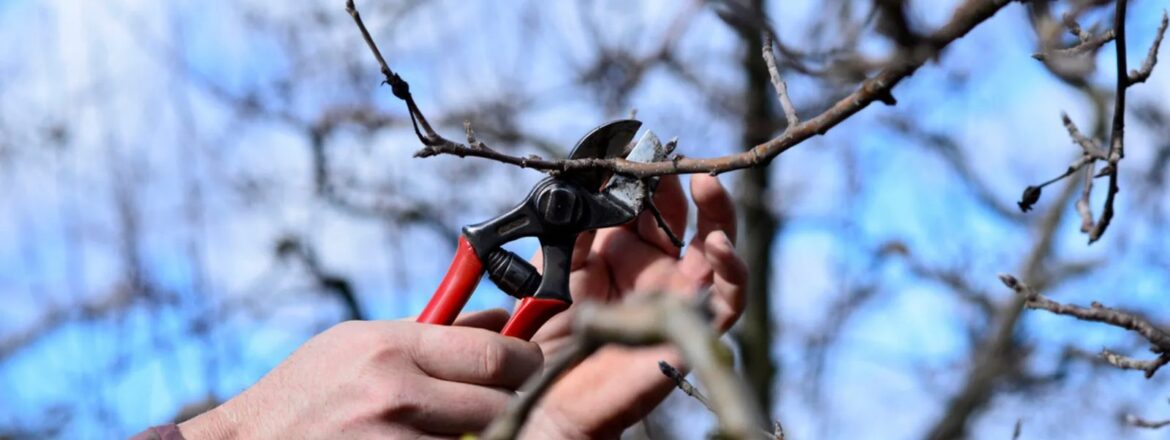
For many tree species, late winter is considered the best time to prune trees because they are dormant and can recover before new growth begins in spring.
Without leaves covering the branches, it’s easier to inspect the tree’s structure and identify limbs that need to be removed.
Winter pruning offers several benefits:
- Better visibility of branch structure
- Less stress on the tree
- Reduced risk of disease transmission
- Faster healing before spring growth
- Healthier new growth
Dormant-season pruning also allows cleaner cuts that encourage long-term tree health.
Spring Is the Time to Inspect Trees
Spring is when trees begin producing new leaves, flowers, and branches. While major pruning is usually avoided during active growth, spring is an excellent time to inspect trees after winter weather.
Spring maintenance may include:
- Removing broken branches
- Inspecting for disease
- Checking storm damage
- Light corrective pruning
- Monitoring new growth
Flowering trees should generally be pruned after they finish blooming to encourage healthy flowers the following season.
Spring is also a good time to determine whether professional tree pruning may be needed later in the year.
Summer Pruning Helps Control Growth
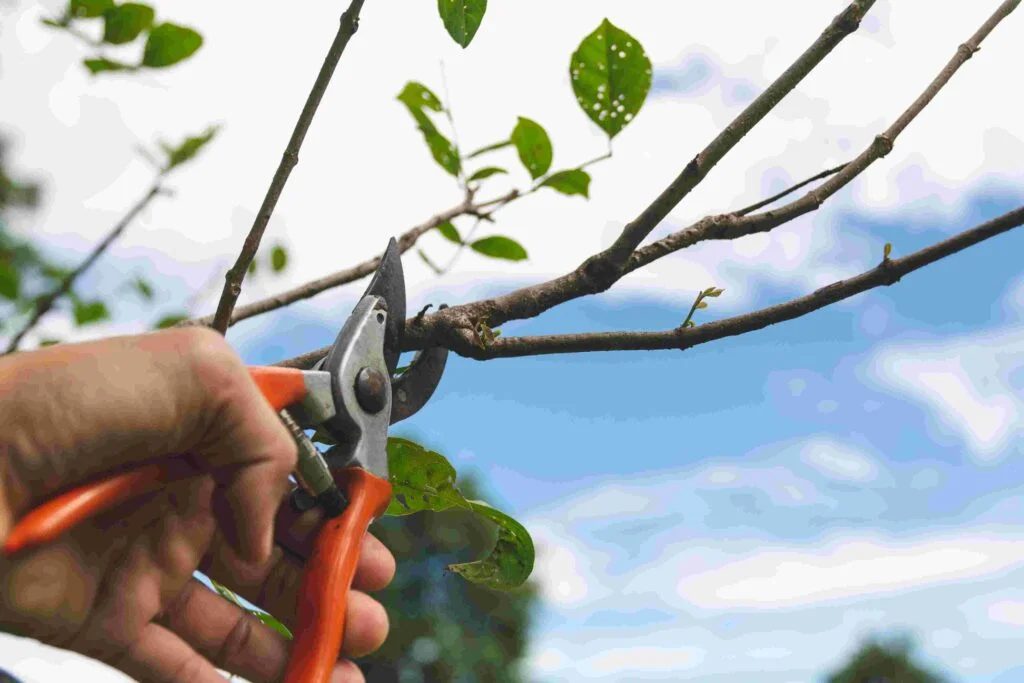
Summer pruning is useful for controlling excessive growth and improving the overall appearance of trees.
Light trimming during summer may include:
- Removing dead branches
- Correcting damaged limbs
- Improving visibility
- Managing overgrown canopies
- Eliminating safety hazards
Heavy pruning should be avoided during extremely hot weather because it may place unnecessary stress on the tree. Following proper tree pruning tips helps maintain healthy growth without damaging the tree.
Fall Is Usually Not the Best Time for Heavy Pruning
Although fall is an excellent time to inspect trees, it generally isn’t recommended for major pruning.
As trees prepare for winter dormancy, they naturally slow their growth. Large pruning cuts may take longer to heal, increasing the chance of disease or decay.
Instead, use the fall season to:
- Remove hazardous branches
- Clean up storm damage
- Inspect overall tree health
- Plan winter pruning
- Prepare for seasonal maintenance
Planning your seasonal tree care during the fall allows you to schedule larger pruning projects during winter.
Signs Your Trees Need Pruning
Even if it isn’t the ideal season for pruning, certain warning signs should never be ignored.
Watch for:
- Dead branches
- Broken limbs
- Cracked branches
- Diseased wood
- Branches touching buildings
- Limbs blocking sidewalks
- Dense canopies restricting airflow
- Branches growing near power lines
Addressing these issues early helps improve both safety and tree health.
Every Tree Has Different Needs
Every tree species responds differently to pruning.
For example:
Shade Trees
Most deciduous shade trees respond best to late-winter pruning.
Flowering Trees
Spring-flowering trees should usually be pruned after blooming.
Evergreen Trees
Evergreens often require only light trimming to maintain their shape and remove damaged branches.
Young Trees
Young trees benefit from structural pruning that encourages strong branch development.
Knowing when to trim trees depends on the species, age, and condition of each individual tree.
Remove Hazardous Branches Immediately
While seasonal pruning is important, dangerous branches should never wait.
Dead, broken, or damaged limbs can become serious hazards during storms or high winds.
Removing these branches promptly helps:
- Prevent accidents
- Reduce property damage
- Improve tree health
- Minimize disease spread
Safety should always come first.
Avoid Over-Pruning
Removing too many branches at one time can weaken a tree and slow its recovery.
Over-pruning may result in:
- Reduced growth
- Sun damage
- Increased stress
- Weak branch development
- Greater vulnerability to pests
A balanced pruning approach keeps trees healthy while preserving their natural appearance.
Benefits of Professional Tree Pruning
While homeowners may handle small trimming projects, larger trees often require specialized equipment and experience.
Hiring professionals for professional tree pruning offers several advantages:
- Proper pruning techniques
- Safe removal of large branches
- Tree health assessments
- Disease identification
- Structural improvements
- Long-term maintenance recommendations
Professional care helps ensure every cut supports the long-term health of the tree.
Tree Maintenance Is a Year-Round Responsibility
Healthy trees benefit from regular attention throughout every season.
A complete tree maintenance plan may include:
- Seasonal inspections
- Tree trimming
- Tree pruning
- Mulching
- Water management
- Pest monitoring
- Fertilization when necessary
- Storm damage inspections
Following a consistent seasonal tree care schedule helps prevent expensive problems while supporting healthy growth.
Why Professional Tree Care Matters
Tree care involves much more than cutting branches.
Every pruning cut affects how a tree grows in the future. Poor pruning techniques can weaken healthy trees, shorten their lifespan, and create unnecessary safety risks.
Experienced professional tree services understand proper pruning techniques for different tree species and know how to maintain healthy, attractive landscapes. Regular inspections also help identify hidden issues before they become costly repairs.

Why Choose OneSource Property Maintenance?
Healthy trees require experience, proper timing, and ongoing maintenance. OneSource Property Maintenance provides dependable tree care and landscape maintenance services for commercial properties, apartment communities, HOAs, office parks, retail centers, and residential properties throughout Utah.
From seasonal tree trimming and professional tree pruning to complete landscape maintenance, the team helps improve tree health, enhance property appearance, and reduce potential safety hazards. Every maintenance plan is customized to meet the specific needs of each property, helping landscapes remain beautiful throughout every season.
Final Thoughts
Knowing the best time to prune trees is just as important as knowing how to prune them correctly. While late winter is often the preferred season for major pruning, regular inspections and proper seasonal tree care throughout the year help trees remain healthy, safe, and attractive.
Whether you’re wondering when to trim trees, looking for practical tree pruning tips, or need professional tree pruning, investing in regular tree trimming, tree maintenance, and expert tree care helps protect your landscape and improve its long-term beauty. Partnering with OneSource Property Maintenance ensures your trees receive the professional care they need to thrive year after year.
Leave A Comment