

Jun
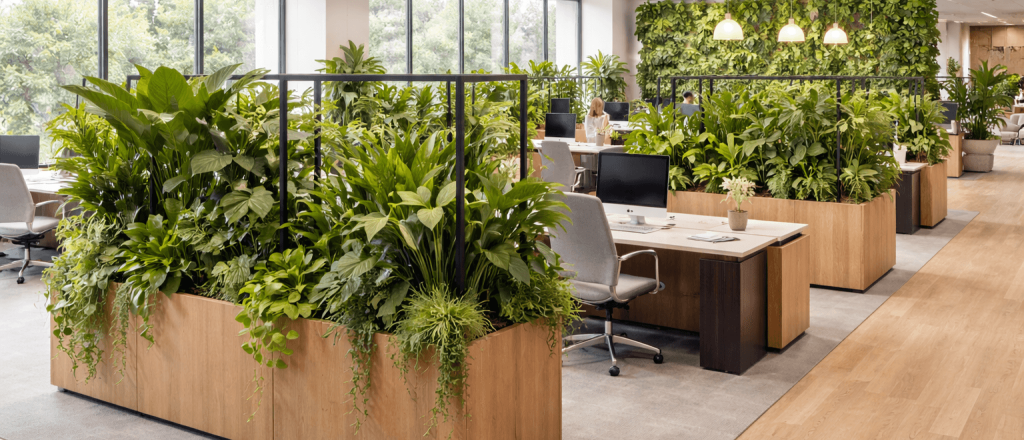
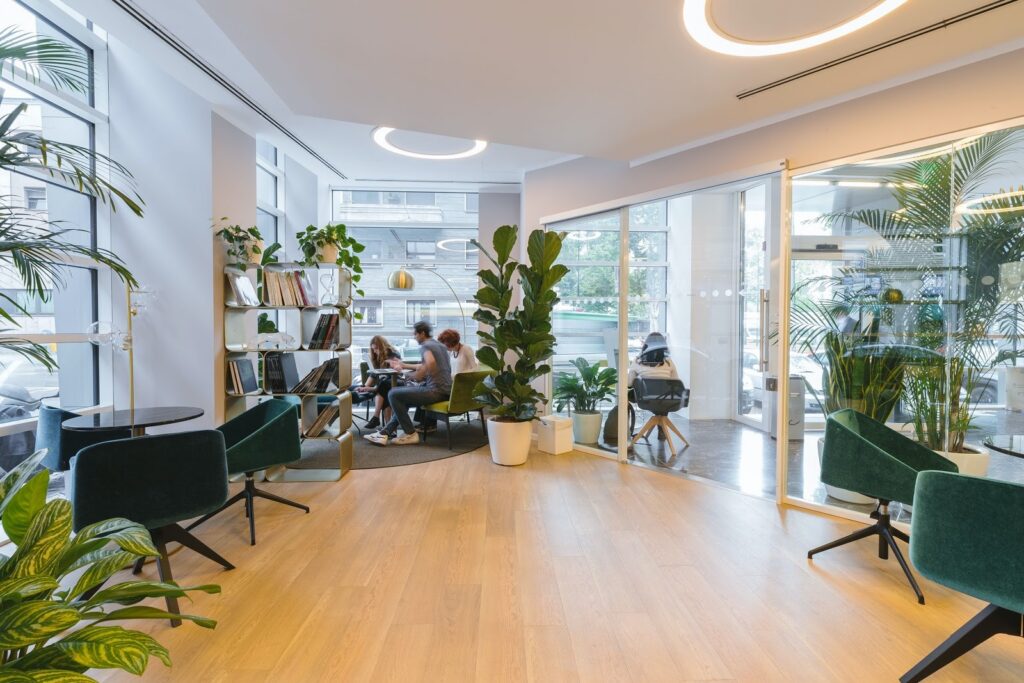
Interior plantscapes can completely change the look and feel of an indoor space. Whether they are used in an office, retail store, lobby, apartment clubhouse, commercial building, medical facility, or home, live plants bring color, texture, freshness, and natural beauty indoors. A well-designed interior plantscape can make a space feel more welcoming, professional, and comfortable.
However, indoor plants are living features. They need proper care to stay healthy, vibrant, and attractive. Without the right maintenance, plants can become dusty, overwatered, dry, yellow, leggy, or unhealthy. Planters can look messy, leaves can droop, and the entire display can lose the polished appearance it was meant to create.
That is why ongoing interior plantscape maintenance is just as important as the original design and installation. With the right care plan, your indoor plant arrangements can continue to enhance your property long after they are installed.
At OneSource Property Maintenance, our interior plantscapes service helps bring nature indoors with custom plant arrangements for offices, retail spaces, commercial properties, and homes. Our team designs and installs plants that are suited to your environment and offers ongoing maintenance services to help your plants remain vibrant, healthy, and professionally cared for.
Why Interior Plantscape Maintenance Matters
A beautiful interior plantscape design starts with the right plants, planters, and placement. But the long-term success of that design depends on maintenance. Indoor plants need consistent attention because their environment is different from outdoor landscapes.
Inside a building, plants may face limited sunlight, dry air, changing temperatures, artificial lighting, inconsistent watering, dust, and airflow from heating and cooling systems. These conditions can affect plant health over time.
Regular maintenance helps prevent small issues from becoming bigger problems. A plant with a few yellow leaves may need a watering adjustment. A dusty plant may need leaf cleaning. A plant leaning toward a window may need rotation. A plant that is outgrowing its container may need repotting or replacement.
For businesses and property managers, maintenance also protects first impressions. Healthy plants make a space look cared for. Unhealthy plants can make a lobby, office, or retail space look neglected. Professional indoor plant care helps keep your plantscape looking clean, fresh, and intentional.
1. Choose Plants That Match the Indoor Environment
The first step in keeping interior plantscapes looking their best is choosing plants that can thrive in the space. Not every plant is suited for every indoor environment. A plant that looks beautiful in a bright showroom may struggle in a dim hallway. A plant that needs high humidity may not perform well in a dry office.
Before installing plants, it is important to consider:
- Available natural light
- Artificial lighting
- Room temperature
- Humidity levels
- Airflow
- Foot traffic
- Available floor or tabletop space
- Maintenance expectations
Common indoor plants used in interior plantscaping may include snake plants, ZZ plants, pothos, dracaena, philodendrons, palms, peace lilies, rubber plants, and ficus varieties. These plants are often used because they can adapt well to indoor spaces when placed correctly.
Professional plant selection helps reduce future maintenance problems. When plants are matched to their environment, they are more likely to stay healthy, attractive, and easy to care for.
2. Water Consistently, But Avoid Overwatering
Watering is one of the most important parts of indoor plant maintenance, but it is also one of the most common sources of problems. Many indoor plants suffer more from overwatering than underwatering.
Overwatering can lead to yellow leaves, root rot, fungus gnats, mold, and weak plant growth. Underwatering can cause drooping, dry soil, brown leaf tips, and leaf drop. The goal is to water based on the plant’s needs, not on a fixed guess.
Different plants need different amounts of water. A large floor plant in bright indirect light may need more frequent watering than a small plant in a low-light corner. Seasonal changes can also affect watering. Plants may need less water during cooler months or when growth slows.
A good maintenance routine includes checking soil moisture before watering. Professional interior plant technicians often evaluate the soil, plant condition, container drainage, and environment before deciding how much water is needed.
For offices, retail spaces, and commercial properties, professional watering schedules help prevent inconsistent care. Instead of relying on employees to remember plant care, a trained team can keep plants watered properly and consistently.
3. Keep Leaves Clean and Dust-Free
Indoor plants naturally collect dust over time. Dusty leaves can make plants look dull and unhealthy. Dust can also reduce the plant’s ability to absorb light, which may affect growth.
Regular leaf cleaning is an important part of interior plant care. Wiping leaves gently with a soft cloth can restore shine and help plants look fresh. For plants with many smaller leaves, light rinsing or careful cleaning may be needed.
Clean leaves can make a major difference in how a plantscape looks. A lobby plant with glossy, healthy leaves creates a polished impression. A plant covered in dust can make the space feel neglected.
Leaf cleaning is especially important in commercial buildings where plants are part of the property’s image. Healthy-looking greenery supports a clean and professional atmosphere.

4. Prune and Trim Plants Regularly
Pruning is not only for outdoor trees and shrubs. Indoor plants also need trimming to stay attractive and healthy. Regular pruning helps remove dead leaves, yellowing foliage, damaged stems, and overgrown growth.
Pruning can help plants keep their shape and prevent them from looking messy. It can also encourage fuller growth in certain plants. For trailing plants, trimming can prevent vines from becoming too long or uneven. For upright plants, removing damaged leaves can improve appearance and help the plant direct energy toward healthy growth.
In custom indoor plant arrangements, pruning is especially important because the overall display depends on balance and shape. One overgrown plant can make the arrangement look uneven.
Professional maintenance teams know how to prune plants without damaging them. They can also identify whether yellowing or dropping leaves are normal or signs of a larger issue.
5. Rotate Plants for Balanced Growth
Many indoor plants naturally grow toward light. If a plant receives light from one direction, it may begin leaning toward the window or brighter area. Over time, this can make the plant look uneven.
Rotating plants helps encourage balanced growth. A simple rotation during routine maintenance can keep plants looking symmetrical and healthy. This is especially helpful for tabletop plants, floor plants, and plants near windows.
In commercial spaces, balanced growth matters because plants are part of the visual design. A leaning or uneven plant can look unprofessional, even if it is otherwise healthy.
Professional interior plantscaping services often include plant rotation as part of routine care.
6. Watch for Signs of Plant Stress
Plants often show early warning signs when something is wrong. Recognizing these signs can help prevent serious decline.
Common signs of plant stress include:
- Yellow leaves
- Brown leaf tips
- Drooping foliage
- Wilting
- Leaf drop
- Soft or mushy stems
- Dry, cracking soil
- Mold on soil
- Sticky residue
- Small insects
- Slow growth
- Faded leaf color
These symptoms can be caused by many factors, including overwatering, underwatering, poor light, pests, temperature stress, low humidity, or root problems.
When plant stress is noticed early, adjustments can often solve the issue. The plant may need a new watering schedule, better light, pruning, pest treatment, or replacement.
For property managers, routine inspections are valuable because they catch problems before visitors, tenants, or customers notice unhealthy plants.
7. Choose the Right Planters and Containers
Planters play a major role in both plant health and appearance. The right container should match the design of the space while supporting the plant’s needs.
A planter should be the correct size for the plant. If the container is too small, roots may become crowded. If it is too large, the soil may hold too much moisture and increase the risk of root problems.
Drainage is also important. Some decorative containers do not have drainage holes, which means watering must be managed carefully. Professional plant installation can help choose planters and liners that protect floors, furniture, and plant health.
The style of the container also matters. A modern office may look best with sleek, clean-lined planters. A hospitality space may need warmer textures. A retail store may benefit from bold containers that support the brand style.
Well-chosen planters make indoor plant arrangements look polished and intentional.
8. Adjust Care as Seasons Change
Indoor plants may not experience outdoor weather directly, but seasons still affect them. Light levels change throughout the year. Heating systems can dry out indoor air in winter. Air conditioning can affect humidity and airflow in summer.
As seasons change, plant care may need adjustment. Watering schedules, plant placement, humidity support, and light exposure may all need to be reviewed.
For Utah properties, seasonal indoor conditions can be especially noticeable. Dry air, cold winters, hot summers, and changing daylight can all influence plant health indoors.
A professional interior plant maintenance service can adjust care throughout the year so plants continue to perform well.

9. Keep Plants Away from Problem Areas
Placement is a major part of interior plantscape success. Plants should be positioned where they can thrive and where they do not interfere with how people use the space.
Avoid placing plants too close to heating vents, air conditioning vents, exterior doors with cold drafts, dark corners without enough light, or high-traffic areas where they may be bumped. Plants should also not block walkways, signage, doors, desks, or visibility.
In commercial spaces, plant placement should balance beauty, function, and safety. The goal is to enhance the space without creating clutter or obstacles.
Professional interior plantscape design considers layout, traffic flow, lighting, and safety before plants are installed.
10. Replace Struggling Plants When Needed
Even with good care, some plants may eventually need to be replaced. A plant may outgrow its space, decline due to environmental stress, or no longer fit the design. Replacing a struggling plant can keep the overall plantscape looking fresh and professional.
In commercial settings, one unhealthy plant can affect the appearance of the entire display. Timely replacement helps maintain a polished look.
A professional maintenance team can determine whether a plant can recover or whether replacement is the better option. This helps protect the appearance and value of the interior plantscape.
11. Use Professional Interior Plantscape Maintenance
Interior plants require knowledge, consistency, and attention to detail. For busy businesses, offices, retail stores, and property managers, professional maintenance can save time and reduce stress.
A professional interior plantscape maintenance plan may include:
- Watering
- Pruning and trimming
- Leaf cleaning
- Plant rotation
- Soil moisture checks
- Pest monitoring
- Fertilizing when appropriate
- Planter cleaning
- Plant health inspections
- Replacement recommendations
- Seasonal care adjustments
This kind of ongoing support helps ensure plants remain vibrant and healthy. It also allows staff, tenants, and business owners to enjoy the benefits of live plants without managing daily care themselves.
How OneSource Can Help Keep Interior Plantscapes Healthy
OneSource Property Maintenance offers interior plantscaping services designed to bring nature indoors and keep plants looking their best. Our team designs and installs custom indoor plant arrangements that add aesthetic value and improve the look and feel of offices, retail spaces, commercial properties, and homes.
We select plants that are suited to your indoor environment, including light levels, space, layout, and design goals. We also offer ongoing maintenance services to help your plants remain vibrant and healthy over time.
Whether you need lobby plants, office greenery, retail plant displays, interior plant maintenance, or a custom plantscape for your home, OneSource can help create and care for an indoor plant design that fits your space.
Final Thoughts
Interior plantscapes can make indoor spaces feel more welcoming, polished, and connected to nature. But keeping them beautiful requires more than occasional watering. Healthy plants need the right environment, proper watering, clean leaves, regular pruning, balanced growth, seasonal adjustments, and ongoing care.
For offices, retail spaces, commercial buildings, and homes, professional interior plantscape maintenance helps protect the investment in live plants. With consistent care, indoor greenery can continue to enhance your space, support a positive first impression, and bring natural beauty indoors.
If you are searching for interior plantscaping near me or need reliable indoor plant care for your property, OneSource Property Maintenance can help.
Ready to Keep Your Interior Plantscapes Looking Their Best?
Bring nature indoors with OneSource’s interior plantscapes service. We specialize in designing, installing, and maintaining custom indoor plant arrangements for offices, retail spaces, commercial properties, and homes.
Our team can help select plants that thrive in your environment and provide ongoing maintenance to keep them healthy, vibrant, and attractive. From installation to long-term care, OneSource makes it easier to enjoy beautiful indoor plants without the guesswork.
Contact us today to request your free quote and learn more about interior plantscape design and maintenance services.