

May
Trees are one of the most valuable parts of any commercial landscape. They provide shade, improve curb appeal, soften the appearance of buildings and parking lots, support a more welcoming environment, and help create a strong first impression for visitors, tenants, employees, residents, and customers.
But trees do not stay healthy and attractive on their own. Like turf, planting beds, irrigation systems, and seasonal color displays, trees need regular care. One of the most important parts of that care is tree pruning.
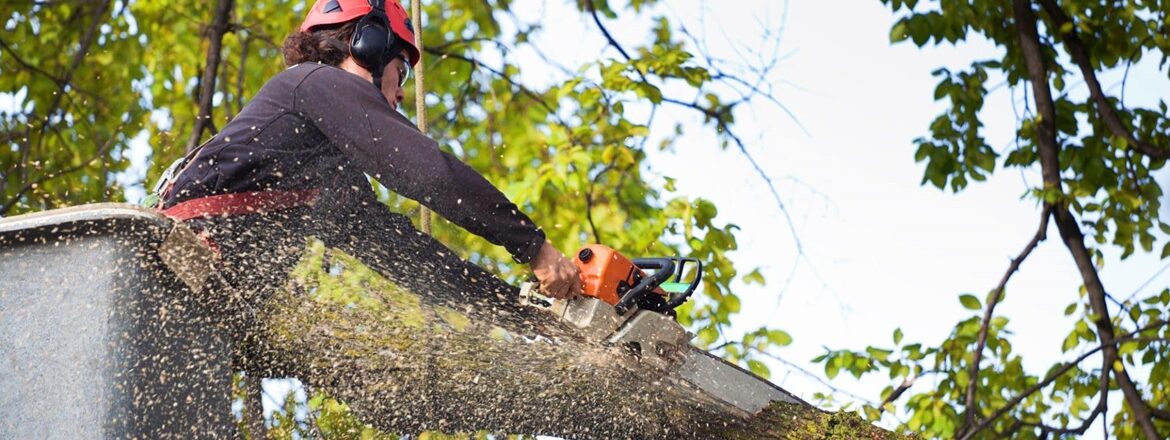
Professional tree pruning helps remove dead or damaged branches, improve tree structure, reduce safety risks, support healthy growth, and keep the landscape looking clean and well maintained. For commercial properties, HOAs, apartments, retail centers, medical properties, industrial sites, and office buildings, routine pruning is a key part of long-term landscape maintenance.
At OneSource Property Maintenance, tree and shrub planting and pruning are part of the company’s grounds management and landscaping services for commercial, industrial, retail, medical, apartment, and condominium properties throughout Utah. OneSource also emphasizes proactive property solutions, scheduled service visits, safety inspections, sustainable business practices, and professional landscape management.
In this blog, we explain why tree pruning matters, how it helps protect your property, when pruning may be needed, and how professional tree services in Utah can keep your trees healthy, safe, and beautiful.

What Is Tree Pruning?
Tree pruning is the process of selectively removing branches from a tree to improve its health, structure, safety, and appearance. It is not the same as simply cutting branches at random. Proper pruning requires understanding how trees grow, where cuts should be made, and how much should be removed at one time.
Tree pruning may involve removing dead branches, thinning crowded areas, shaping young trees, raising low limbs, reducing hazardous growth, or improving clearance around buildings, walkways, parking areas, and signage.
Good pruning supports the natural form of the tree while helping it grow stronger over time. Poor pruning, on the other hand, can damage the tree, weaken its structure, create disease entry points, or cause unattractive regrowth.
That is why professional tree pruning is important. A trained team can evaluate the tree’s condition and make pruning decisions that support both safety and long-term health.
Why Tree Pruning Matters for Commercial Properties
Trees are highly visible features in a commercial landscape. When they are healthy and well maintained, they can improve the entire property. When they are overgrown, damaged, diseased, or poorly shaped, they can make a property look neglected.
For commercial properties, tree pruning matters because it helps with:
- Tree health
- Safety
- Curb appeal
- Clearance
- Storm preparation
- Property value
- Landscape appearance
- Long-term maintenance planning
Overgrown branches can block signs, scrape buildings, hang over walkways, interfere with lighting, or create hazards during storms. Dead limbs can fall unexpectedly and damage vehicles, roofs, outdoor seating areas, or pedestrian spaces.
Regular pruning helps reduce these risks before they become costly problems. It also helps property managers maintain a professional exterior that reflects well on the business or community.
Tree Pruning Improves Tree Health
One of the most important benefits of pruning is improved tree health. Trees can develop dead, diseased, broken, or weak branches over time. If these branches are left in place, they can drain energy from the tree, invite pests, or allow disease to spread.
Pruning helps by removing unhealthy growth so the tree can direct energy toward stronger branches, leaves, roots, and new growth. It can also improve air circulation and sunlight penetration through the canopy, which may reduce moisture buildup and support healthier foliage.
Healthy trees are more attractive and more resilient. They are better able to handle weather changes, drought stress, pests, and seasonal transitions.
For Utah properties, where landscapes may face heat, dry conditions, snow, wind, and seasonal temperature swings, proactive tree care is especially valuable.
Tree Pruning Helps Prevent Safety Hazards
Safety is one of the biggest reasons commercial properties should prioritize tree pruning. A tree may look beautiful, but if it has dead limbs, cracked branches, low-hanging growth, or poor structure, it may create risks for people and property.
Potential safety hazards include:
- Branches falling onto cars
- Limbs blocking walkways or entrances
- Branches interfering with visibility
- Growth touching buildings or roofs
- Low limbs creating pedestrian hazards
- Branches blocking lighting or security cameras
- Weak limbs breaking during storms
- Overgrown trees obstructing signage
For apartments, HOAs, retail centers, office properties, and medical facilities, these hazards can create liability concerns and negative visitor experiences. A customer, tenant, resident, or employee should be able to move through the property safely.
Routine pruning helps identify and correct problems before they lead to injury, damage, or emergency service needs.
Pruning Enhances Curb Appeal
A well-pruned tree can dramatically improve the look of a property. Clean branch structure, balanced growth, and open canopies can make a commercial landscape feel organized, polished, and professionally maintained.
Curb appeal matters for many types of properties. Retail centers need to attract customers. Office buildings need to look professional. Apartment communities and HOAs need to create pride and comfort for residents. Medical facilities need to feel calm and well cared for. Industrial properties need to appear safe and organized.
Tree pruning supports curb appeal by:
- Creating a cleaner landscape appearance
- Removing dead or messy branches
- Improving tree shape
- Allowing more visibility of signs and buildings
- Helping sunlight reach turf and planting beds
- Reducing cluttered or overgrown areas
Trees should enhance the property, not hide it. Proper pruning helps frame buildings, entrances, signage, and walkways in a way that feels intentional.
Pruning Supports Strong Tree Structure
Young trees especially benefit from structural pruning. When trees are pruned correctly early in life, they are more likely to develop strong branch patterns and stable growth.
Without proper pruning, trees may develop competing leaders, weak branch attachments, crossing branches, or unbalanced canopies. These issues can become more difficult and expensive to correct as the tree matures.
Structural pruning helps guide the tree’s shape and reduce future risks. This can be especially important in commercial landscapes where trees are planted near sidewalks, parking lots, buildings, signs, and common areas.
A strong tree structure can help trees better withstand wind, snow, and heavy seasonal conditions.
Pruning Helps Protect Buildings and Property
Trees are beautiful, but they can create problems when they grow too close to buildings, roofs, gutters, signs, lighting, fencing, or utility areas. Branches that touch structures can cause damage over time, especially during wind or storms.
Pruning helps create proper clearance and reduces the chance of branches rubbing against buildings or dropping debris into gutters and drainage areas.
For commercial properties, clearance pruning may be needed around:
- Building exteriors
- Rooflines
- Windows
- Walkways
- Parking lots
- Loading areas
- Signs
- Outdoor lighting
- Security cameras
- Entrances and exits
This type of pruning helps keep the property functional, safe, and easier to maintain.

Pruning Can Improve Sunlight and Airflow
Dense tree canopies may block too much sunlight from reaching grass, shrubs, seasonal flowers, or planting beds. This can lead to weak turf, poor plant performance, damp conditions, or uneven landscape growth.
Selective pruning can open the canopy and allow more light to reach the landscape below. Better airflow can also help reduce excess moisture in the canopy and improve the overall health of the tree.
This is especially useful for commercial landscapes with mixed plantings. Trees, shrubs, turf, and seasonal color need to work together. When trees become too dense or overgrown, they may negatively affect the rest of the landscape.
When Should Trees Be Pruned?
The best time to prune depends on the tree species, its condition, and the goal of pruning. Some pruning can be done during dormant seasons, while other pruning may be needed immediately for safety reasons.
Trees may need pruning when you notice:
- Dead or broken branches
- Branches hanging over walkways
- Limbs touching buildings
- Growth blocking signs or lighting
- Crowded or crossing branches
- Storm damage
- Weak or split branches
- Low limbs interfering with vehicles or pedestrians
- Unbalanced tree shape
- Signs of disease or decline
Safety-related pruning should not be delayed. If a limb is cracked, hanging, or at risk of falling, it should be evaluated promptly.
For ongoing property maintenance, trees should be inspected regularly so pruning can be planned before problems become emergencies. OneSource’s tree services page highlights scheduled service visits, safety inspections, and proactive solutions designed to identify property issues before they become costly.
Why Over-Pruning Can Be Harmful
While pruning is important, too much pruning can harm a tree. Removing too many branches at once can stress the tree, reduce its ability to produce energy, expose bark to sun damage, and lead to weak regrowth.
Poor pruning practices can also leave large wounds, create uneven canopies, or encourage unstable branch growth. One of the most damaging practices is topping, which removes large sections of the upper canopy and can weaken the tree over time.
Professional pruning focuses on making the right cuts, in the right places, for the right reasons. The goal is not to remove as much as possible. The goal is to improve health, safety, structure, and appearance while protecting the tree’s long-term vitality.
Tree Pruning for Different Property Types
Different commercial properties have different tree care needs.
Office buildings often need pruning around entrances, parking lots, walkways, and signage. Trees should look professional and should not block visibility or create hazards for employees and visitors.
Retail centers may need pruning to keep storefronts visible, parking areas safe, and walkways clear. Overgrown trees can hide signs, reduce lighting, and make storefronts less noticeable.
Apartment communities and HOAs benefit from pruning that improves safety, shade, appearance, and resident comfort. Trees should enhance common areas without blocking sidewalks, patios, or parking areas.
Medical properties often need clean, calm, and safe landscapes. Tree pruning can help maintain a polished environment for patients, staff, and visitors.
Industrial properties may need tree pruning to keep loading areas, drive lanes, security cameras, fences, and lighting clear.
Each property requires a tailored approach. A professional property maintenance team can evaluate the site and create a pruning plan that fits the property’s use and goals.
How Tree Pruning Fits Into Complete Landscape Maintenance
Tree pruning should not be treated as a one-time task. It works best as part of a complete landscape maintenance plan.
A healthy commercial landscape may include mowing, bed care, mulching, weed control, tree and shrub planting and pruning, turf care, lawn and plant rejuvenation, irrigation maintenance, safety inspections, seasonal cleanup, and landscape enhancements. These are among the grounds management and landscaping services listed by OneSource Property Maintenance.
When tree pruning is coordinated with other services, the entire landscape performs better. For example, pruning can improve sunlight for turf, reduce debris in beds, protect seasonal plantings, and support a cleaner property appearance.
This coordinated approach helps commercial properties stay attractive, functional, and safe year-round.
How OneSource Property Maintenance Can Help
At OneSource Property Maintenance, we provide professional tree services and commercial landscape maintenance designed to help Utah properties stay healthy, safe, and attractive.
Our tree care and property maintenance approach may include:
- Tree and shrub pruning
- Tree and shrub planting
- Safety inspections
- Scheduled service visits
- Landscape maintenance planning
- Bed care and mulching
- Weed control
- Plant rejuvenation
- Irrigation maintenance
- Spring and fall cleanup
- Proactive property support
OneSource is a full-service Utah grounds management company serving commercial, industrial, retail, medical, apartment, and condominium properties throughout Utah. The company uses professional staff, modern equipment, sustainable business practices, and proactive service systems to help properties make a strong first impression.
Our goal is to help your trees and landscape support the overall quality of your property. Whether you need routine pruning, safety-focused tree care, or broader grounds maintenance, our team can help create a plan that fits your property.
Benefits of Professional Tree Pruning
Professional tree pruning offers long-term value for commercial properties. It protects tree health, improves appearance, reduces hazards, and supports better property maintenance.
Key benefits include:
- Healthier tree growth
- Better tree structure
- Reduced safety risks
- Improved curb appeal
- Better clearance around buildings and walkways
- Increased visibility for signs and lighting
- Fewer storm-related hazards
- Better airflow and sunlight
- Improved property presentation
- Stronger long-term landscape value
For property managers, professional pruning also saves time and reduces guesswork. Instead of reacting to broken limbs or overgrown trees, you can take a proactive approach that keeps your property looking its best.
Final Thoughts
Tree pruning is one of the most important services for keeping commercial landscapes healthy, safe, and beautiful. Proper pruning supports tree health, improves structure, reduces hazards, protects buildings, and enhances curb appeal.
For Utah properties, regular tree care is especially important because trees face seasonal weather changes, heat, snow, wind, and site-specific challenges. When pruning is handled professionally and as part of a broader maintenance plan, your entire landscape benefits.
At OneSource Property Maintenance, we help commercial properties maintain healthy trees and attractive landscapes through professional tree services and proactive grounds management.
Ready to Keep Your Trees Healthy and Beautiful?
Do not wait until overgrown branches, dead limbs, or storm damage create a bigger problem. If your commercial property needs reliable tree pruning services in Utah, partner with OneSource Property Maintenance.
Our team can help you maintain safer walkways, cleaner landscapes, healthier trees, and a stronger first impression for everyone who visits your property.
Contact Us today to schedule tree services and create a maintenance plan that keeps your property looking its best.