

Jul
Water is one of the most important resources in any landscape. Whether you manage a commercial property, apartment community, HOA, retail center, office building, medical facility, or industrial site, your landscape needs consistent watering to stay healthy and attractive. At the same time, water waste can quickly increase costs and create unnecessary maintenance problems.
That is where smart irrigation solutions can make a major difference. A well-designed irrigation system helps deliver the right amount of water to the right areas at the right time. Instead of overwatering turf, missing dry spots, or spraying sidewalks and parking lots, smart irrigation focuses on efficiency, plant health, and long-term savings.
For Utah properties, efficient watering is especially important. Hot summers, dry conditions, changing seasons, and varying plant needs can make irrigation more complicated. A system that works well in spring may need adjustments in summer. A sprinkler schedule that supports turf may not work for shrubs, trees, or planting beds. Without proper design and maintenance, even a good landscape can suffer.
At OneSource Property Maintenance, efficient irrigation is key to maintaining the health and beauty of any landscape. OneSource specializes in the design, installation, and maintenance of irrigation systems that optimize water usage and ensure plant health.

What Is a Smart Irrigation Solution?
A smart irrigation solution is a watering system designed to improve efficiency, reduce waste, and support healthier landscapes. It may include proper sprinkler layout, drip irrigation, zone-based watering, smart controllers, weather-based scheduling, soil moisture monitoring, regular inspections, and professional maintenance.
The goal is not simply to water less. The goal is to water better.
A smart irrigation system considers the full landscape, including turf, trees, shrubs, flower beds, slopes, shaded areas, sunny areas, soil type, drainage, and plant water needs. Different areas of a property should not all receive the same amount of water. Turf may need one schedule, while shrubs and trees may need another. A shaded courtyard may need less water than a full-sun entry lawn.
By matching water delivery to actual landscape needs, property owners can reduce waste while protecting the appearance and health of the property.
Why Water Savings Matter for Commercial Properties
Commercial properties often have larger landscapes than residential properties. They may include lawns, medians, parking lot islands, entry beds, trees, shrubs, walking paths, courtyards, and common areas. Because these spaces are visible every day, they need to look clean, green, and professionally maintained.
However, inefficient watering can cause major problems. Overwatering can lead to runoff, muddy areas, fungus, plant stress, shallow roots, and higher water bills. Underwatering can cause brown patches, wilting plants, thinning turf, and poor curb appeal.
Water waste also reflects poorly on the property. Sprinklers spraying sidewalks, roads, windows, or parking lots can make a landscape look poorly managed. It can also create slippery walkways, puddles, and unnecessary maintenance issues.
A water-efficient irrigation system helps protect the property’s appearance while using water responsibly. For property managers, this can support long-term budget control, better landscape health, and a more professional property image.
Start with Professional Irrigation System Design
The foundation of water savings begins with proper irrigation system design. If a system is poorly designed, it may waste water no matter how carefully it is scheduled.
Professional design considers water pressure, sprinkler head placement, plant types, sun exposure, soil conditions, drainage, slope, and coverage patterns. Each irrigation zone should be designed for a specific type of landscape area. Turf zones should not usually be mixed with shrub beds or tree zones because each has different watering needs.
A good design also reduces overspray. Sprinklers should be positioned to water plants and turf, not pavement, walls, fences, or buildings. Nozzles should provide even coverage, and heads should be spaced properly to avoid dry spots and overlapping waste.
For new landscapes, irrigation should be planned early. Installing irrigation before or during landscape installation is usually more efficient than trying to fix watering problems later. For existing properties, a professional inspection can identify design issues that may be causing water waste.
Use Smart Controllers for Better Scheduling
One of the best ways to improve irrigation efficiency is to use smart controllers. Traditional irrigation timers often run on a fixed schedule, whether the landscape needs water or not. This can lead to overwatering during cool weather or after rainfall.
Smart controllers can adjust watering based on weather conditions, seasonal changes, or soil moisture data. Some systems can reduce watering after rain, increase watering during hot periods, or adjust schedules automatically throughout the year.
This can be especially helpful for Utah commercial properties, where weather and plant needs can change significantly from season to season. Instead of relying on a single schedule for months at a time, smart scheduling allows the system to respond more appropriately.
However, smart controllers still need proper setup. They must be programmed correctly based on plant types, soil, slope, sun exposure, and irrigation zones. Professional setup and monitoring help ensure the controller supports real water savings rather than simply running automatically.
Add Drip Irrigation Where It Makes Sense
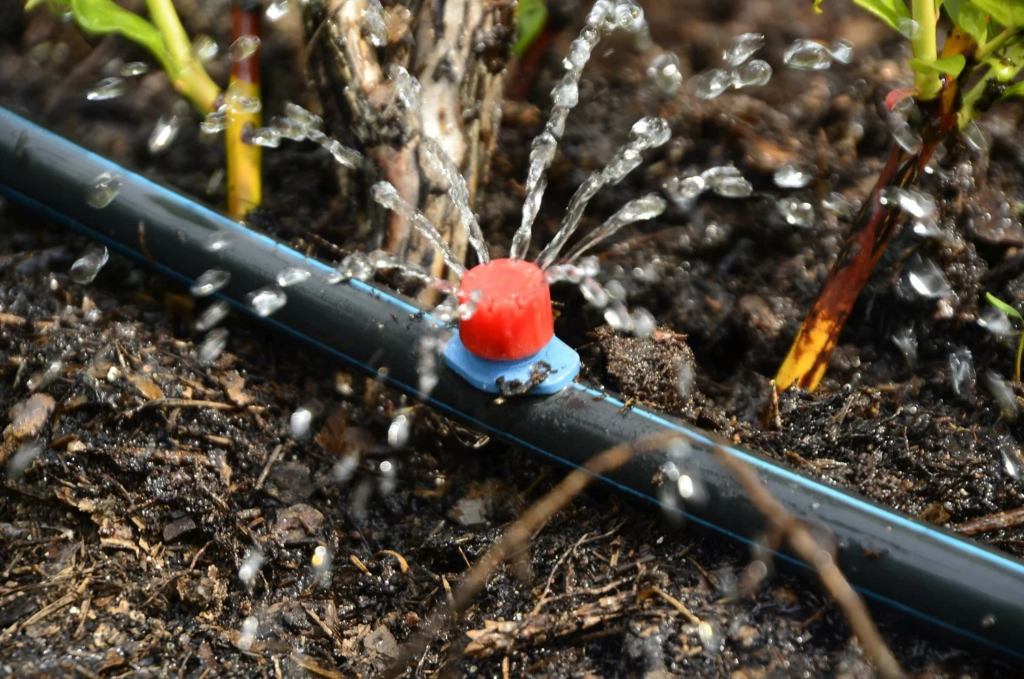
Drip irrigation is one of the most efficient ways to water trees, shrubs, flower beds, and planting areas. Unlike spray heads, which distribute water through the air, drip irrigation delivers water directly to the root zone.
This reduces evaporation, overspray, and runoff. It also helps keep water where plants need it most. For shrub beds, foundation plantings, medians, and decorative landscaping, drip irrigation can be a smart upgrade.
Drip systems are especially useful in areas where spray irrigation would waste water on pavement or buildings. They are also helpful for plants that need deep, targeted watering rather than frequent surface moisture.
Like any irrigation system, drip irrigation needs maintenance. Lines can clog, emitters can shift, and damage can occur during landscape work. Regular inspections help keep the system working properly.
Separate Irrigation Zones by Plant Needs
A smart irrigation system should divide the landscape into zones based on water needs. This is one of the most important steps for maximizing water savings.
For example, turf areas often need different watering than trees or shrubs. Sunny lawns need more water than shaded lawns. Sloped areas may need shorter watering cycles to prevent runoff. Newly planted areas may need more frequent watering until roots are established.
When zones are designed correctly, each area receives the right amount of water. When zones are poorly planned, some plants may be overwatered while others remain dry.
Common irrigation zones may include:
- Turf areas
- Shrub beds
- Tree zones
- Flower beds
- Shaded areas
- Full-sun areas
- Sloped areas
- High-traffic areas
- Newly planted areas
Zone-based watering helps reduce waste and improve plant health. It also makes troubleshooting easier because problems can be isolated to specific areas of the property.
Inspect Sprinkler Heads Regularly
Even a well-designed system can waste water if sprinkler heads are damaged, clogged, tilted, buried, or misaligned. Sprinkler heads may shift over time due to foot traffic, mowing, soil movement, snow removal, or general wear.
A single broken head can waste a significant amount of water. A tilted head may spray the sidewalk instead of the lawn. A clogged nozzle may leave dry patches. A sunken head may water only a small area.
Routine irrigation maintenance helps catch these issues early. Inspections should include checking sprinkler coverage, nozzle condition, head alignment, pressure, leaks, and controller settings.
For commercial properties, inspections are especially important because irrigation systems cover larger areas and may run when no one is watching. Without regular checks, problems can continue for weeks and cause landscape damage or water waste.
Watch for Leaks and Pressure Problems
Leaks are one of the most common causes of irrigation water waste. Some leaks are obvious, such as water pooling around a broken sprinkler head. Others are harder to spot, especially underground.
Signs of irrigation leaks may include:
- Unexpectedly high water bills
- Mushy or soggy areas
- Erosion near sprinkler heads
- Low water pressure
- Dry spots in nearby zones
- Constantly wet soil
- Water running after the system shuts off
Pressure problems can also waste water. Too much pressure may cause misting, which increases evaporation and drift. Too little pressure may prevent sprinkler heads from covering the intended area.
Professional irrigation technicians can identify pressure issues, repair leaks, and adjust the system to improve performance.
Water at the Right Time of Day
Timing matters for water savings. Watering during the hottest part of the day can increase evaporation. Watering during windy conditions can cause water to drift away from the intended area. Watering too late at night may keep plants wet for too long and contribute to disease in some situations.
Early morning is often a good time for irrigation because temperatures are cooler and winds may be calmer. This gives water a better chance to soak into the soil before the heat of the day.
A smart irrigation schedule should also consider local watering rules, property use, and landscape needs. For commercial properties, watering schedules should avoid peak traffic times when employees, tenants, residents, or customers are using walkways and outdoor areas.
Adjust Irrigation Seasonally
A common irrigation mistake is using the same watering schedule all year. Landscapes do not need the same amount of water in spring, summer, fall, and winter.
During cooler months, plants may need less water. During hot, dry periods, some areas may need more. After rainfall, irrigation may need to be reduced or paused. Newly installed plants may need a different schedule than established landscapes.
Seasonal adjustments are a major part of smart irrigation maintenance. A professional team can update schedules as conditions change, helping reduce waste while keeping plants healthy.
For Utah properties, seasonal service may also include spring start-up, mid-season inspections, controller adjustments, and winterization to protect the system before freezing temperatures.
Improve Soil and Mulch to Reduce Water Loss
Smart irrigation is not only about the irrigation system. Soil and mulch also affect water efficiency.
Healthy soil helps water move into the root zone and supports stronger plant growth. Compacted soil may cause runoff because water cannot soak in properly. Poor soil may dry out too quickly or hold water unevenly.
Mulch can help planting beds retain moisture, regulate soil temperature, reduce weeds, and improve appearance. By reducing evaporation from the soil surface, mulch can support water-saving efforts.
For commercial landscapes, combining efficient irrigation with proper bed care, soil health, and mulching can improve results. OneSource Property Maintenance provides broader grounds management services that can support the overall health and appearance of the landscape.
Choose Plants That Fit the Property
Water savings are easier when the landscape design matches local conditions. Plants that require excessive watering may be harder to maintain efficiently, especially in dry climates. Choosing the right plants for sun exposure, soil, and local weather can reduce irrigation demands over time.
This does not mean every property must use the same plant palette. It means plant selection should be intentional. Trees, shrubs, turf, and flowers should be chosen based on appearance, function, maintenance needs, and water requirements.
A thoughtful landscape paired with a smart irrigation system can create a healthier, more sustainable property.
How OneSource Can Help with Smart Irrigation Solutions
OneSource Property Maintenance specializes in the design, installation, and maintenance of irrigation systems that optimize water usage and ensure plant health. Our team helps commercial properties improve irrigation performance, reduce waste, and maintain healthier landscapes.
Our irrigation services may include:
- Irrigation system design
- Irrigation system installation
- Irrigation maintenance
- Sprinkler inspections
- Drip irrigation solutions
- Controller adjustments
- Leak detection and repairs
- Seasonal irrigation scheduling
- Water-efficient irrigation planning
- Landscape watering system support
Whether you are installing a new landscape, upgrading an old system, or trying to reduce water waste, OneSource can help create an irrigation solution that fits your property’s needs.
Final Thoughts
Smart irrigation solutions are one of the best ways to maximize water savings while keeping landscapes healthy and attractive. A well-designed irrigation system can reduce waste, prevent overwatering, improve plant health, and support long-term property value.
For commercial properties, efficient watering is more than a maintenance task. It affects curb appeal, safety, budgets, plant health, and the overall impression of the property. By using proper design, smart controllers, drip irrigation, zone-based watering, regular inspections, seasonal adjustments, and professional maintenance, property owners can make every drop count.
If your property is dealing with dry spots, runoff, high water bills, broken sprinkler heads, or inconsistent plant health, it may be time to improve your irrigation system.
Ready to Maximize Water Savings with Smart Irrigation?
If you need reliable smart irrigation solutions in Utah, OneSource Property Maintenance can help. Our team designs, installs, and maintains irrigation systems that optimize water usage and support healthy landscapes.
Contact OneSource today to request your free quote and learn how professional irrigation solutions can help your property save water, reduce waste, and maintain a healthier, more beautiful landscape.