

Sep
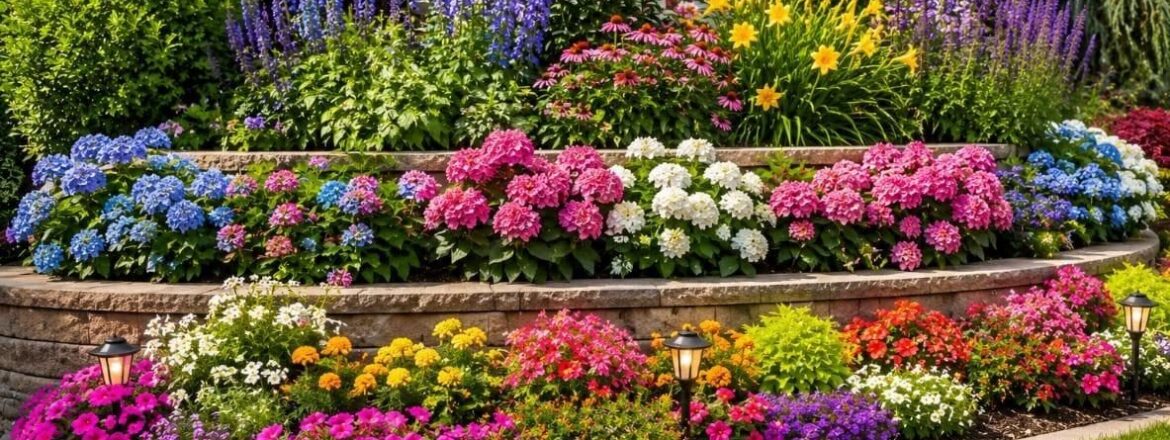
Seasonal color can completely change the look and feel of a landscape. A carefully planned mix of flowers, foliage, and complementary tones can make entrances more inviting, highlight architectural features, and keep commercial properties looking fresh throughout the year.
For office parks, retail centers, apartment communities, HOAs, hospitality properties, and other commercial landscapes, seasonal color landscaping is more than simply planting flowers. The right color palette can help create a consistent property appearance while allowing the landscape to change naturally with each season.
From soft spring pastels to bold summer combinations and warm autumn tones, thoughtful seasonal flower color can add visual interest without making a property feel overly busy.
The key is choosing colors that complement the building, surrounding landscape, and season while selecting plants that can perform well in local growing conditions.
Why Seasonal Color Matters
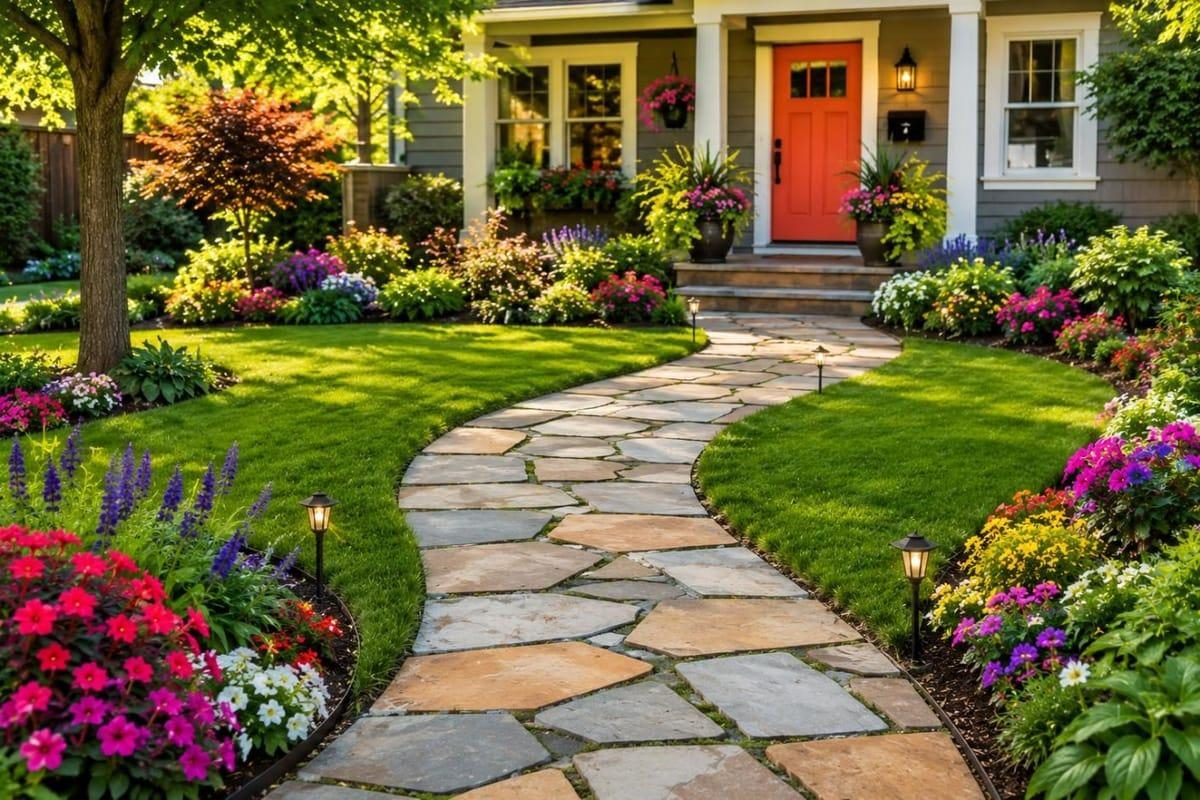
Landscaping is often one of the first things visitors notice when approaching a property.
Healthy lawns, maintained trees, and neatly trimmed shrubs create a strong foundation, but seasonal flowers provide the color and detail that make the landscape stand out.
Adding seasonal color to commercial landscapes can help:
- Refresh entrances and common areas
- Increase visual interest
- Complement building architecture
- Highlight signs and walkways
- Create attractive gathering spaces
- Improve curb appeal
- Keep landscaping from looking the same year-round
Seasonal planting also gives property managers the opportunity to update the appearance of the landscape without redesigning the entire property.
Changing a few key flower beds or containers can create a noticeable difference.
Start With the Property’s Existing Colors
Before choosing flowers, look at the colors already present on the property.
Consider:
- Building materials
- Exterior paint
- Signage
- Roofing
- Hardscape
- Decorative features
- Existing shrubs and trees
A commercial building with red brick, for example, may benefit from a different flower palette than a modern building with gray stone and dark metal accents.
The goal is not necessarily to match every color exactly. Instead, seasonal plantings should complement the overall design.
Neutral buildings can support bright seasonal colors, while properties with stronger architectural colors may look better with a more controlled palette.
A coordinated approach creates a more professional appearance.
Fresh Spring Color Palette Ideas
Spring is the perfect time to introduce lighter, brighter colors after winter.
As temperatures begin to warm and landscapes return to active growth, flowers can bring immediate life to entrances, signs, courtyards, and walkways.
Popular spring color combinations include:
Soft Pastels
Try mixing:
- Light pink
- Lavender
- Pale yellow
- White
- Soft blue
This palette creates a calm, welcoming appearance and works especially well around office buildings, residential communities, and hospitality properties.
Yellow and Purple
Yellow and purple provide strong contrast while still feeling natural.
Bright yellow flowers can bring energy to the landscape, while deep purple tones add balance.
This combination can work well in:
- Entrance beds
- Planters
- Property signs
- Walkway borders
White and Green
Not every seasonal display needs multiple bold colors.
White flowers combined with different shades of green can create a clean and sophisticated landscape.
This simple palette works particularly well around modern commercial buildings.
Bright Summer Color Ideas
Summer allows property managers to use some of the boldest seasonal flower colors of the year.
Longer days and abundant sunlight can support vibrant displays that become focal points throughout a property.
Consider combinations such as:
Red, Orange, and Yellow
Warm colors create a bright, energetic appearance.
This palette can be especially effective near:
- Main entrances
- Retail centers
- Restaurant patios
- High-traffic walkways
Using different shades of the same color family can create depth without making the planting beds feel chaotic.
Purple, Pink, and White
This combination provides strong visual interest while maintaining a polished appearance.
Dark purple flowers can create contrast, while pink and white soften the overall design.
Blue and White
A blue-and-white palette creates a fresh summer appearance.
It can be particularly attractive when surrounded by deep green shrubs or ornamental grasses.

Use Color to Draw Attention to Important Areas
Seasonal color can do more than decorate a landscape. It can help guide attention.
Bright flower beds can naturally draw visitors toward:
- Building entrances
- Property signs
- Reception areas
- Courtyards
- Walkways
- Outdoor seating areas
For example, a colorful flower bed surrounding a monument sign can make the entrance easier to recognize.
Large planters beside doors can also help visually frame an entrance.
Rather than spreading flowers evenly throughout the entire property, concentrating color in high-visibility areas can create greater impact.
This approach can also help control planting and maintenance costs.
Create a Warm Autumn Landscape
Fall offers an opportunity to shift from summer’s bright colors to deeper, warmer tones.
An autumn palette may include:
- Burgundy
- Deep red
- Orange
- Gold
- Bronze
- Dark purple
These colors naturally complement changing leaves and cooler temperatures.
Combining flowers with ornamental grasses and interesting foliage can create texture while extending seasonal interest.
Autumn displays work well around:
- Building entrances
- Outdoor gathering areas
- Signage
- Planters
- Walkways
Fall color does not have to rely entirely on flowers. Plants with attractive foliage can become an important part of the palette.
Use Foliage as Part of the Color Scheme
Flowers often receive the most attention, but foliage can be equally valuable in commercial seasonal color design.
Plants with green, silver, bronze, purple, or variegated leaves can create contrast even when fewer flowers are blooming.
Foliage also provides texture.
A successful planting bed may combine:
- Upright plants
- Low-growing flowers
- Trailing plants
- Broad leaves
- Fine-textured grasses
This variety prevents the design from looking flat.
Using foliage as part of the color palette can also help maintain visual interest between bloom cycles.
Try a Monochromatic Color Palette
Using several shades of one color can create an elegant, coordinated appearance.
For example, a purple-themed landscape might include:
- Pale lavender
- Medium violet
- Deep purple
- White accents
A pink palette could range from soft blush tones to bright magenta.
Monochromatic designs are especially effective when the property already has strong architectural features.
Rather than competing with the building, the landscape adds controlled visual interest.
Combine Complementary Colors
Complementary colors sit opposite each other on the color wheel and naturally create contrast.
Popular combinations include:
- Yellow and purple
- Blue and orange
- Red and green
In landscaping, these combinations do not have to be perfectly equal.
One color can serve as the dominant tone while the other acts as an accent.
For example, a bed filled primarily with purple flowers may include smaller clusters of yellow flowers to create contrast.
This technique can make seasonal flower beds more visually interesting without overwhelming the property.
Coordinate Seasonal Flowers With Containers
Planters provide another way to introduce seasonal color.
Large decorative containers can be placed near:
- Entrances
- Patios
- Courtyards
- Outdoor seating areas
- Reception areas
- Walkways
Containers are particularly useful in areas where traditional planting beds are limited.
A popular container design approach combines three plant types:
Tall plants provide height.
Medium plants create fullness.
Trailing plants soften the edges of the container.
Using colors that coordinate with nearby flower beds creates a consistent landscape design.
Consider Sunlight Before Choosing Colors and Plants
A beautiful color palette will only work if the plants can thrive in their location.
Before selecting flowers, evaluate how much sunlight each planting area receives.
Some plants perform well in full sun, while others prefer partial shade.
Important factors include:
- Morning versus afternoon sunlight
- Building shadows
- Tree coverage
- Heat reflected from pavement
- Wind exposure
Plants near a large parking lot may experience much hotter conditions than plants near a shaded courtyard.
Choosing plants based on actual site conditions helps seasonal displays stay healthier and more attractive.
Don’t Forget Irrigation
Seasonal flowers often require consistent moisture.
New plantings can dry quickly, especially during hot Utah summers.
Irrigation should be checked whenever seasonal flower beds are installed.
Important considerations include:
- Sprinkler coverage
- Drip irrigation
- Watering frequency
- Soil moisture
- Drainage
- Seasonal weather changes
Overwatering can be just as harmful as underwatering.
A properly maintained irrigation system helps provide appropriate moisture without creating excessive runoff or constantly wet soil.
Combining seasonal color with smart irrigation practices can support healthier flowers while improving landscape water efficiency.
Refresh High-Visibility Areas First
Commercial properties do not always need seasonal flowers everywhere.
One of the most effective approaches is to focus on areas where visitors will notice them most.
Priority areas may include:
- Main entrances
- Monument signs
- Leasing offices
- Clubhouses
- Reception areas
- Outdoor seating spaces
- Main walkways
Concentrating color in these locations creates strong visual impact while keeping the landscape manageable.
Secondary areas can rely more heavily on trees, shrubs, ground cover, and permanent plantings.
Plan Seasonal Transitions in Advance
One challenge with seasonal landscaping is avoiding periods when flower beds look empty or tired.
Planning transitions ahead of time helps maintain a more consistent appearance.
A seasonal plan might include:
- Spring flowers
- Summer color
- Fall plantings
- Winter greenery or decorative elements
Plant selections should be made early enough to allow installation at the appropriate time.
Planning also allows property managers to coordinate seasonal color with other commercial landscape maintenance tasks such as pruning, mulching, irrigation adjustments, and cleanup.
Avoid Using Too Many Colors
More color is not always better.
Using too many unrelated colors can make planting beds look unorganized.
For most commercial landscapes, choosing two or three primary colors often creates a cleaner appearance.
Accent colors can then be added in smaller amounts.
A limited palette helps seasonal flowers look intentional rather than random.
It can also make it easier to coordinate several planting areas throughout a large property.
Seasonal Color Can Support Property Branding
Businesses and managed communities may also use landscape colors that complement their visual identity.
For example, flowers may coordinate with:
- Logo colors
- Building signage
- Exterior design
- Property branding
This does not mean every flower needs to match a company’s logo.
Small connections between landscaping and architectural or brand colors can help create a more unified appearance.
For properties where image and presentation matter, this level of coordination can make the overall landscape feel more thoughtfully designed.
Benefits of Professional Seasonal Color Design
Creating attractive seasonal flower displays involves more than selecting flowers that look good at the garden center.
Professional seasonal color landscaping considers:
- Plant compatibility
- Bloom periods
- Sun exposure
- Soil conditions
- Irrigation
- Property architecture
- Seasonal weather
- Maintenance requirements
- Color balance
Professional planning can help ensure plants are selected for both appearance and performance.
It also makes seasonal transitions easier because each planting can be coordinated with the property’s broader maintenance schedule.

Why Choose OneSource Property Maintenance?
Seasonal color can transform an ordinary landscape into a more welcoming, attractive environment. OneSource Property Maintenance provides landscape maintenance and seasonal planting services for commercial properties, HOAs, apartment communities, office parks, retail centers, and other properties throughout Utah.
From designing seasonal flower beds and selecting complementary color palettes to irrigation management and complete commercial landscape maintenance, the team works to keep properties looking fresh throughout the changing seasons.
Every property has different architecture, sunlight, irrigation conditions, and landscape goals. OneSource can help develop seasonal color combinations that complement the property while selecting plants suited to the growing environment.
Final Thoughts
Creative seasonal color is one of the simplest ways to refresh a landscape without making major structural changes.
Spring pastels can create a welcoming atmosphere, bold summer colors can energize high-traffic areas, and rich autumn tones can provide warmth as temperatures begin to cool. Foliage, containers, complementary colors, and carefully selected planting locations can add even more variety.
The most successful seasonal color landscaping combines visual design with practical plant care. Sun exposure, irrigation, soil conditions, plant selection, and regular maintenance all influence how well a seasonal display performs.
Whether you manage a commercial property, HOA, apartment community, retail center, or office campus, updating seasonal flower color throughout the year can help keep the property attractive and inviting.
Partnering with OneSource Property Maintenance can help you create and maintain seasonal color displays that complement your property and keep your landscape looking fresh throughout every season.
Leave A Comment