

Jul
Trees add beauty, shade, privacy, and value to a property. They can make a commercial building look more professional, help an apartment community feel more inviting, and improve the curb appeal of a home or HOA neighborhood.
But during storm season, trees can also become a safety concern.
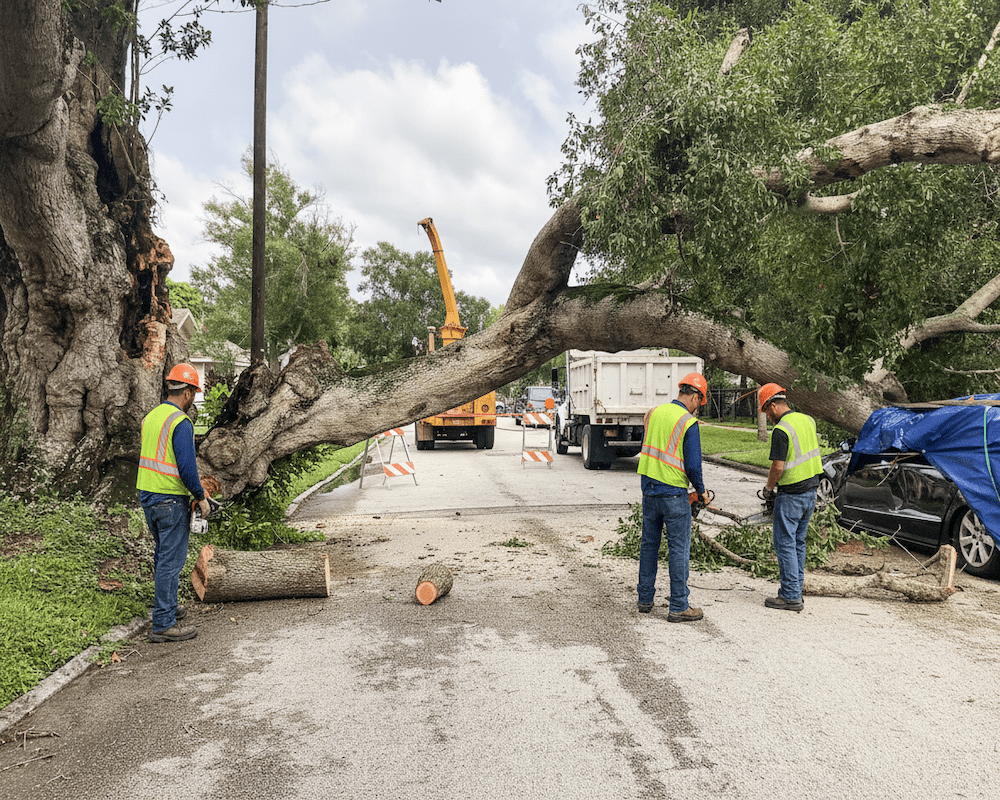
High winds, heavy rain, snow, and ice can break weak branches, damage tree trunks, loosen roots, or cause trees to fall. When that happens, the results can be expensive and dangerous. Falling limbs can damage roofs, vehicles, walkways, fences, signs, parking areas, and power lines.
The good news is that many tree problems can be reduced with the right preparation. Tree storm preparation is not just about cutting branches before bad weather arrives. It includes regular inspections, smart pruning, root care, removal of hazardous trees, and a seasonal maintenance plan.
For property owners and managers in Utah, preparing trees before storm season can help protect the landscape, reduce safety risks, and keep outdoor areas looking clean and professional.
Why Tree Storm Preparation Matters
Healthy, well-maintained trees are more likely to handle severe weather than trees that have been ignored. Dead limbs, weak branches, disease, poor pruning, and unstable roots can all make storm damage more likely.
Proper storm season tree care can help:
• Reduce the risk of falling branches
• Protect buildings, vehicles, and walkways
• Improve tree health
• Lower emergency cleanup costs
• Reduce safety hazards
• Help trees grow stronger over time
• Improve the appearance of the property
Storms can be unpredictable, but tree care does not have to be. Routine inspections and maintenance help identify problems before they become emergencies.
For commercial properties, this matters even more. A fallen tree can block an entrance, damage parked cars, close a walkway, or create a liability concern. For HOAs, apartment communities, retail centers, and office properties, proactive care helps keep outdoor spaces safer and easier to manage.
Start with a Professional Tree Inspection
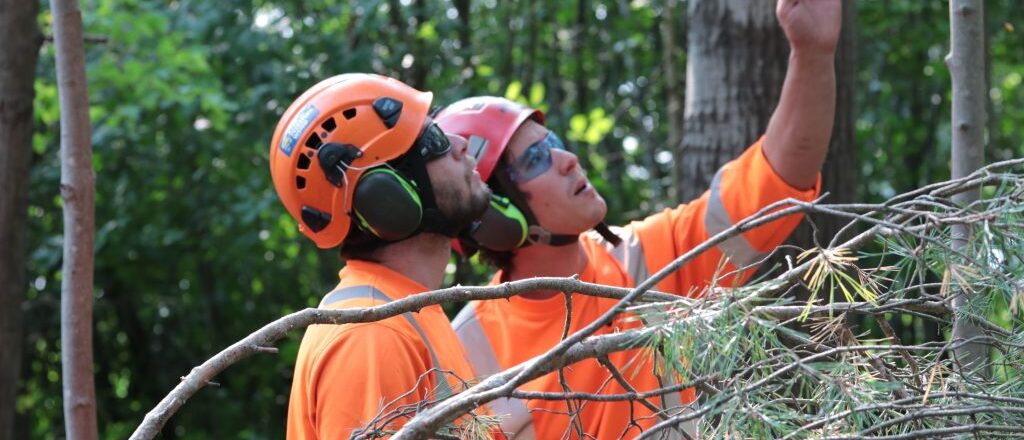
The first step in preparing trees for storm season is a careful inspection. Many tree problems are not easy to spot from the ground. A tree may look healthy but still have weak branch attachments, hidden decay, root problems, or structural issues.
During a tree inspection, professionals may look for:
• Dead or dying branches
• Cracked limbs
• Weak branch connections
• Leaning trees
• Trunk damage
• Root problems
• Signs of disease
• Pest activity
• Hollow areas
• Poor tree structure
• Branches too close to buildings or power lines
Finding these concerns early gives property owners time to fix them before storms arrive.
A tree inspection is especially important after a hard winter, a dry summer, construction work, or previous storm damage. These conditions can weaken trees over time and make them more likely to fail during severe weather.
Prune Trees Before Storms Arrive
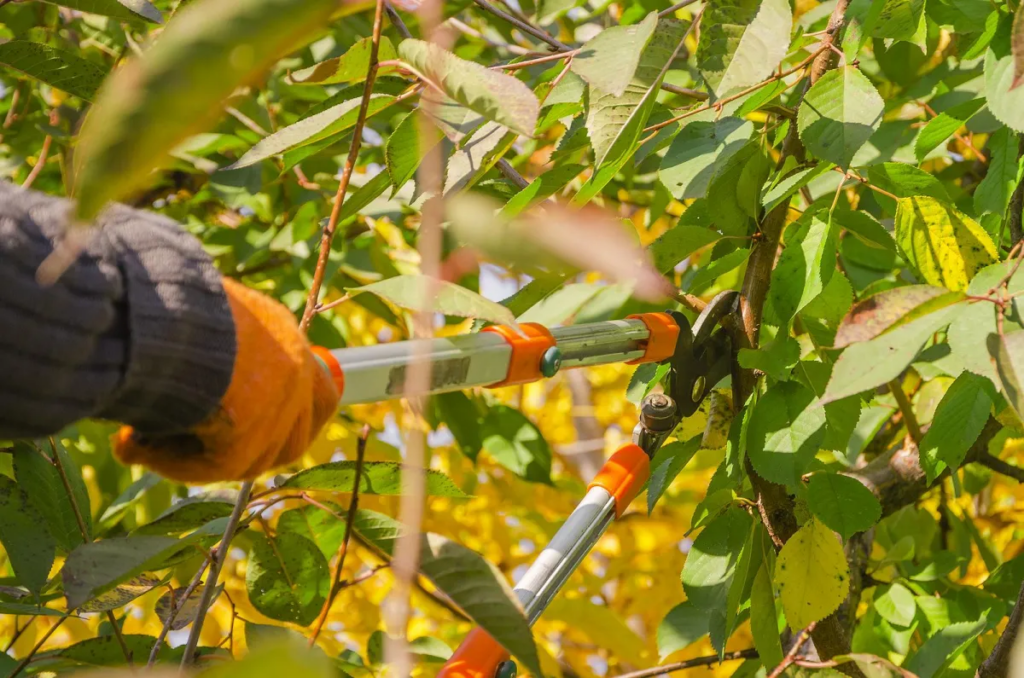
Tree pruning is one of the most important parts of storm preparation. Proper pruning removes weak, dead, damaged, or crowded branches before high winds or heavy snow put stress on the tree.
Good pruning can help:
• Remove hazardous branches
• Improve airflow through the canopy
• Reduce wind resistance
• Improve tree shape
• Support healthy growth
• Reduce the risk of broken limbs
• Keep branches away from buildings and walkways
The goal is not to overtrim the tree. Cutting too much can weaken the tree and create new problems. The goal is careful, strategic pruning that supports the tree’s natural structure.
This is why professional pruning matters. A trained crew understands which limbs should be removed and which should stay. Poor pruning can leave a tree unbalanced, stressed, or more vulnerable to damage.
Remove Dead or Hazardous Trees
Sometimes pruning is not enough. If a tree is dead, badly diseased, leaning heavily, or structurally unsafe, hazardous tree removal may be the safest choice.
A dangerous tree can become a major problem during a storm. It may fall onto a roof, vehicle, fence, sidewalk, or roadway. Removing it before storm season is often safer and less expensive than waiting until it falls.
Signs a tree may need removal include:
• Large dead sections
• Major trunk cracks
• Severe lean
• Root damage
• Large hollow areas
• Fungal growth near the base
• Major storm damage
• Repeated branch failure
• Advanced disease
Tree removal should be handled by professionals, especially when large trees are close to buildings, vehicles, people, or utility lines. Proper equipment and planning help protect the surrounding property.
Pay Attention to Root Health
Strong roots help trees stay anchored during storms. If the roots are weak, damaged, or growing in poor soil, the tree may be more likely to lean or fall when the ground becomes wet or winds are strong.
Root problems can be caused by:
• Soil compaction
• Construction damage
• Poor drainage
• Overwatering
• Underwatering
• Improper grading
• Heavy foot traffic
• Vehicle traffic near trees
• Cutting roots during landscaping work
To support healthy roots:
• Avoid digging near tree roots when possible
• Keep heavy equipment away from root zones
• Improve drainage if water pools around trees
• Use mulch properly around the base
• Water during dry periods
• Avoid piling mulch against the trunk
• Protect roots during construction
Healthy roots are the foundation of strong trees. If a tree is showing signs of decline, the problem may begin below the soil.
Watch for Warning Signs
Trees often show signs of stress before they become dangerous. Property owners and managers should watch for changes throughout the year, not only when a storm is coming.
Common warning signs include:
• Dead branches
• Cracked trunks
• Mushrooms or fungal growth near the base
• Peeling bark
• Sparse leaves
• Large cavities
• Leaning
• Exposed roots
• Broken limbs hanging in the canopy
• Soil lifting near the base
• Sudden changes in leaf color
One warning sign does not always mean the tree will fail. But it does mean the tree should be looked at more closely.
Early attention can prevent bigger problems later. It may be possible to prune, treat, support, or monitor the tree before it becomes a serious hazard.
Protect Newly Planted Trees
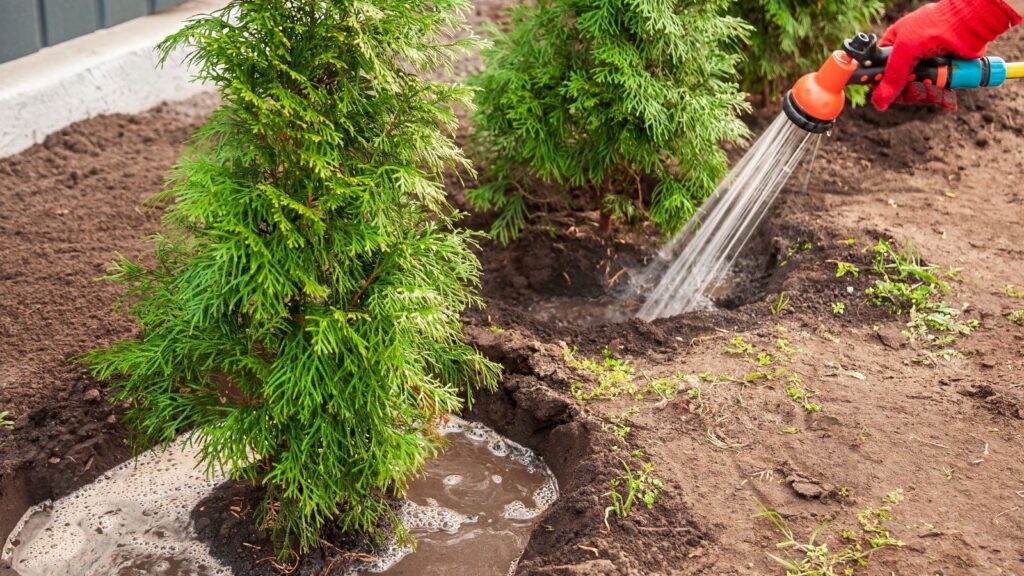
Young trees need extra care before storm season because their roots are still developing. They may not be strong enough to handle high winds, heavy rain, or snow without support.
Newly planted trees may need:
• Proper watering
• Mulch around the base
• Light structural pruning
• Staking when necessary
• Protection from mower damage
• Regular inspections
• Space to grow without crowding
Staking should be done carefully. A tree that is tied too tightly or staked for too long may not develop natural strength. The goal is to support the tree while still allowing it to move enough to build a strong trunk and root system.
Good care in the first few years helps young trees become stronger, healthier, and more storm-resistant over time.
Keep Trees Away from Buildings and Walkways
Trees planted too close to buildings, signs, walkways, lighting, or parking areas can create problems during storms. Branches may scrape roofs, hit windows, block visibility, or fall where people walk or park.
Regular pruning helps maintain safe clearance around:
• Roofs
• Windows
• Siding
• Parking lots
• Sidewalks
• Outdoor lighting
• Signs
• Entrances
• Fences
• Utility areas
For commercial properties, this is an important part of commercial tree maintenance. Customers, tenants, employees, residents, and visitors use these spaces every day. Keeping branches trimmed and pathways clear helps improve safety and the overall appearance of the property.
Build a Seasonal Tree Maintenance Plan
Tree care works best when it is planned throughout the year. Waiting until a storm warning is issued can make it harder to schedule work and may leave hazards unaddressed.
A seasonal plan may include:
• Spring tree inspections
• Summer pruning
• Fall hazard checks
• Winter storm preparation
• Pest monitoring
• Disease management
• Soil and root care
• Mulching
• Watering adjustments
• Tree and shrub maintenance
This kind of plan helps property owners stay ahead of problems. It also gives trees steady care instead of emergency attention only after damage happens.
For larger properties, seasonal planning can also help with budgeting. It is usually easier to manage routine tree care than unexpected emergency cleanup.
Why Tree Care Matters for Commercial Properties
Commercial landscapes create first impressions. A clean, healthy, well-maintained property can feel more professional and welcoming. Storm-damaged trees can do the opposite.
For commercial properties, tree care services can help:
• Protect customers, tenants, and employees
• Keep entrances and walkways safer
• Reduce emergency cleanup needs
• Protect vehicles and parking areas
• Improve curb appeal
• Preserve landscape investments
• Reduce maintenance complaints
• Support long-term property value
This is especially important for office buildings, retail centers, industrial properties, apartment communities, HOAs, medical facilities, and mixed-use properties.
A proactive maintenance plan helps property managers avoid last-minute problems and keep the property looking better throughout the year.
Why Professional Tree Care Is Important
Tree work can be dangerous. Large limbs, mature trees, climbing work, chainsaws, and storm-damaged branches all create risk. Trying to handle major tree work without proper training or equipment can lead to injury or property damage.
Professional tree care teams have the tools, equipment, and experience to inspect, prune, and remove trees safely. They can also help identify whether a tree should be pruned, monitored, treated, or removed.
Professional help is especially important when trees are:
• Near buildings
• Near power lines
• Over parking lots
• Close to sidewalks
• Large or mature
• Leaning
• Damaged after a storm
• Showing signs of disease
• Hard to access
Hiring experienced professionals helps ensure the work is done safely and correctly.
Why Choose OneSource Property Maintenance?
Maintaining healthy trees takes more than occasional trimming. OneSource Property Maintenance provides tree care, landscaping, and commercial property maintenance services throughout Utah.
The team helps property owners and managers with tree and shrub planting, pruning, disease management, proactive inspections, landscape maintenance, and seasonal property care. These services are designed to identify problems early and help landscapes stay safe, healthy, and attractive.
For commercial properties, this can be especially helpful because OneSource offers a broader property maintenance approach. Instead of calling different companies for tree care, landscaping, irrigation, and seasonal maintenance, property managers can work with one team that understands the whole property.
OneSource Property Maintenance uses experienced staff, modern equipment, and sustainable landscaping practices to help Utah properties stay ready for changing weather conditions.
Final Thoughts
Storms are unpredictable, but preparing your trees does not have to be. Regular inspections, professional pruning, healthy root care, and timely removal of hazardous trees can help reduce storm damage and protect your property.
For homeowners, HOAs, apartment communities, office buildings, retail centers, and other commercial properties, proactive tree maintenance is one of the smartest ways to prepare for severe weather.
Start before storm season arrives. Inspect your trees. Watch for warning signs. Prune weak branches. Remove hazardous trees when needed. Protect young trees. Keep branches away from buildings and walkways. Build a seasonal maintenance plan.
If you need help with tree storm preparation, tree pruning, hazardous tree removal, or commercial tree maintenance in Utah, OneSource Property Maintenance can help. Call (801) 234-0624 to request a quote and prepare your property before the next storm.