

Jul
A commercial space should feel professional, welcoming, and memorable. Whether someone walks into an office lobby, hotel, retail store, medical facility, apartment leasing office, restaurant, or corporate meeting space, the design of the environment affects how they feel.
One feature that can make a strong impression is a living green wall.
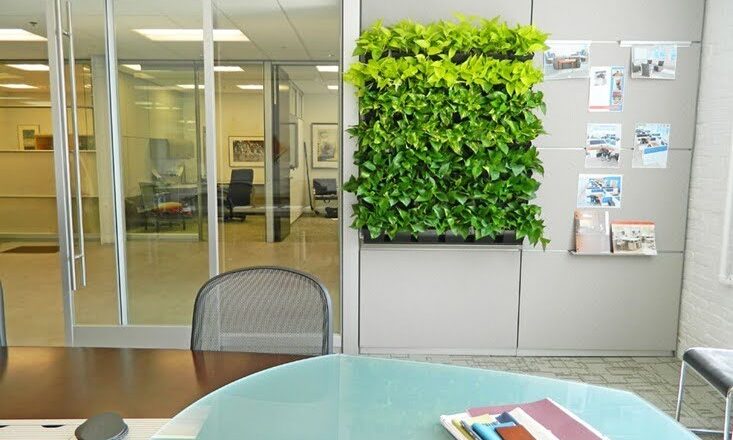
A living green wall is a vertical plant display made with real plants. It can cover an entire wall, frame a lobby area, add life to a hallway, or create a natural focal point in a commercial interior. Unlike a basic potted plant, a green wall is designed as part of the space. It brings color, texture, and nature into the building in a bold but calming way.
For businesses and property managers, a green wall can do more than look attractive. It can help soften hard surfaces, improve the feel of indoor spaces, support a stronger brand image, and create a more inviting experience for employees, customers, tenants, and guests.
OneSource Property Maintenance helps Utah properties with interior plantscaping, plant design, installation, and ongoing plant maintenance. A living green wall can be a natural extension of that service, especially for commercial spaces that want greenery without using a lot of floor space.
What Is a Living Green Wall?
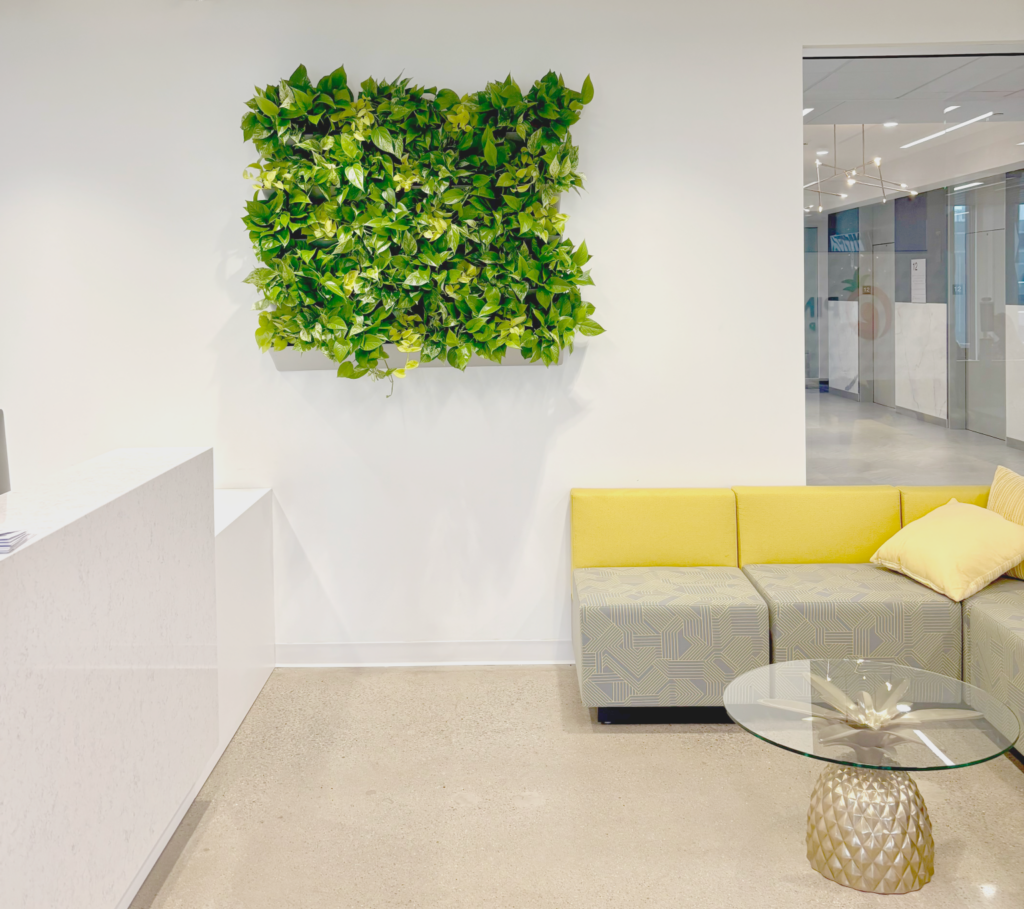
A living green wall is an indoor or outdoor vertical garden that uses live plants. It may be built with planters, modular panels, pocket systems, or custom wall-mounted structures. The plants are arranged vertically instead of sitting on the floor in pots.
A green wall may include:
• Live tropical plants
• Ferns
• Trailing plants
• Low-light indoor plants
• Textured foliage
• Moss accents
• Irrigation or watering systems
• Decorative framing
• Custom plant patterns
• Branded design elements
Some green walls are large and dramatic. Others are smaller and used as accent features. The right size depends on the commercial space, lighting, budget, maintenance plan, and design goals.
A living green wall can be placed in many areas, including lobbies, reception areas, conference rooms, hallways, waiting rooms, restaurants, retail displays, apartment clubhouses, and shared workspaces.
Why Commercial Spaces Use Living Green Walls
Commercial buildings often include hard surfaces like glass, metal, concrete, tile, drywall, and flooring. These materials may look clean and modern, but they can also make a space feel cold or plain.
A living green wall helps balance that. It adds natural texture, softness, and color. It can make a space feel calmer, fresher, and more inviting.
Businesses use green walls to:
• Create a strong first impression
• Add natural beauty indoors
• Make lobbies and waiting areas feel more welcoming
• Bring life to blank walls
• Support a modern design style
• Improve employee and visitor experience
• Add a memorable feature for customers or tenants
• Save floor space compared to large potted plants
For commercial properties, presentation matters. A well-designed green wall can help a space feel cared for and thoughtfully designed.
Choosing the Right Location
The location of a living green wall matters. It should be placed where it adds value to the space, fits the design, and receives the right environmental conditions.
Good locations may include:
• Behind a reception desk
• In an office lobby
• Along a hallway
• Near elevator areas
• In a waiting room
• Inside a restaurant or café
• In a retail showroom
• In a conference room
• In an apartment clubhouse
• In a wellness or spa space
A green wall should not block walkways, doorways, signs, or important building features. It should also be placed where people can enjoy it without it becoming hard to maintain.
Before installing a green wall, consider how people move through the space. A lobby wall may be ideal because it is highly visible. A long hallway may benefit from greenery because it breaks up a plain surface. A waiting room may feel calmer with natural plants nearby.
Think About Lighting Before Choosing Plants
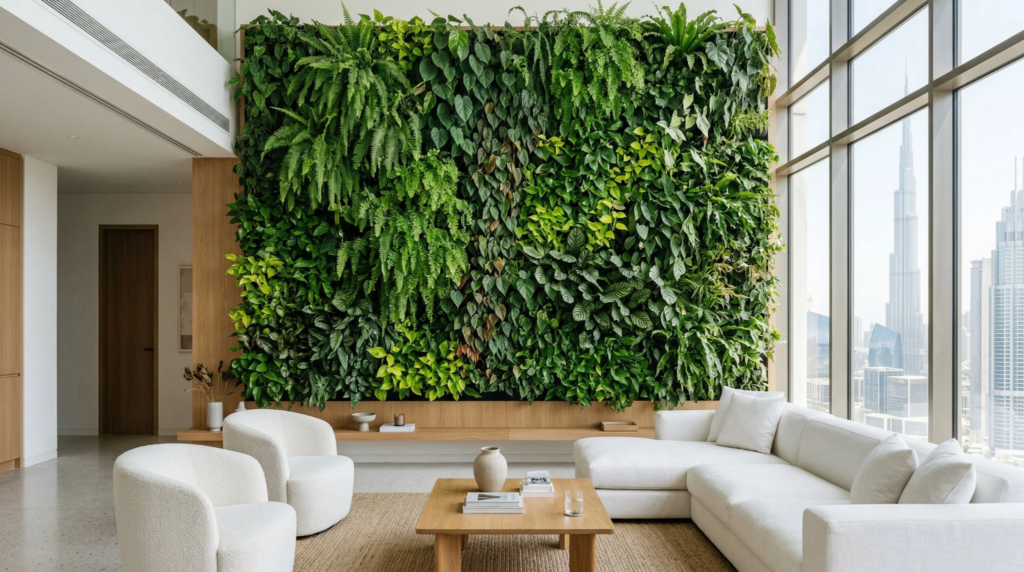
Plants need the right light to stay healthy. Some commercial spaces have large windows and plenty of natural light. Others rely mostly on artificial lighting. This affects which plants can be used.
Before designing a green wall, it is important to look at:
• Natural light
• Artificial lighting
• Direct sun exposure
• Low-light areas
• Heat near windows
• Airflow
• Room temperature
• Humidity
A plant that works well in a bright lobby may not do well in a dim hallway. A plant that needs steady moisture may struggle in a dry indoor area. Choosing the right plants from the beginning helps the green wall stay healthier and easier to maintain.
Professional interior plantscaping can help match the plant selection to the space. This is important because a green wall should look good long after installation day.
Match the Design to Your Brand
A living green wall should feel like part of the space, not an afterthought. The design should match the building’s style and the brand’s personality.
For example, a corporate office may want a clean, structured green wall with simple plant patterns. A spa or wellness space may want a softer, calming design. A retail store may use a green wall as a backdrop for photos or product displays. A restaurant may want a more natural, textured look.
Design choices may include:
• Plant color and texture
• Wall size and shape
• Frame material
• Container style
• Plant pattern
• Logo placement nearby
• Lighting around the wall
• Combination with wood, stone, or metal accents
Some businesses use green walls to support a modern, eco-conscious image. Others use them to make a space more relaxing or visually interesting.
The best green wall design fits both the room and the business.
Use a Green Wall as a Focal Point
A focal point is the area people notice first. A living green wall can be one of the most effective focal points in a commercial space.
It can work well behind a reception desk, near a seating area, or on a wall that would otherwise be empty. In retail or hospitality spaces, a green wall can also become a place people remember and photograph.
A green wall can help guide attention toward:
• A front desk
• A waiting area
• A company logo
• A seating space
• A product display
• A feature wall
• A conference area
Because it uses vertical space, a living green wall can make a strong design impact without taking up much room on the floor.
Plan for Irrigation and Watering
A living green wall needs water. Some systems are hand-watered, while others use built-in irrigation. The best option depends on the wall size, plant type, location, and maintenance plan.
Watering should be consistent but not excessive. Too little water can dry out plants. Too much water can lead to root problems, leaks, or wall damage if the system is not designed properly.
Important watering considerations include:
• Drainage
• Moisture control
• Access for maintenance
• Protection for walls and flooring
• Plant water needs
• Irrigation system design
• Water source access
• Overflow prevention
For larger commercial green walls, professional installation is especially important. The system should protect the building while supporting plant health.
Maintenance Is Key
A living green wall is beautiful, but it needs regular care. Without maintenance, plants may become dry, overgrown, dusty, yellow, or uneven.
Green wall maintenance may include:
• Watering
• Trimming
• Replacing unhealthy plants
• Checking soil or growing media
• Cleaning leaves
• Inspecting irrigation
• Monitoring light conditions
• Checking for pests
• Removing dead foliage
• Adjusting plants as they grow
A well-maintained green wall looks full, fresh, and intentional. A neglected one can quickly hurt the appearance of the space.
This is why many businesses choose professional plant maintenance. It keeps the green wall looking its best without adding another task to office staff, property managers, or building teams.
Consider the Size of the Wall
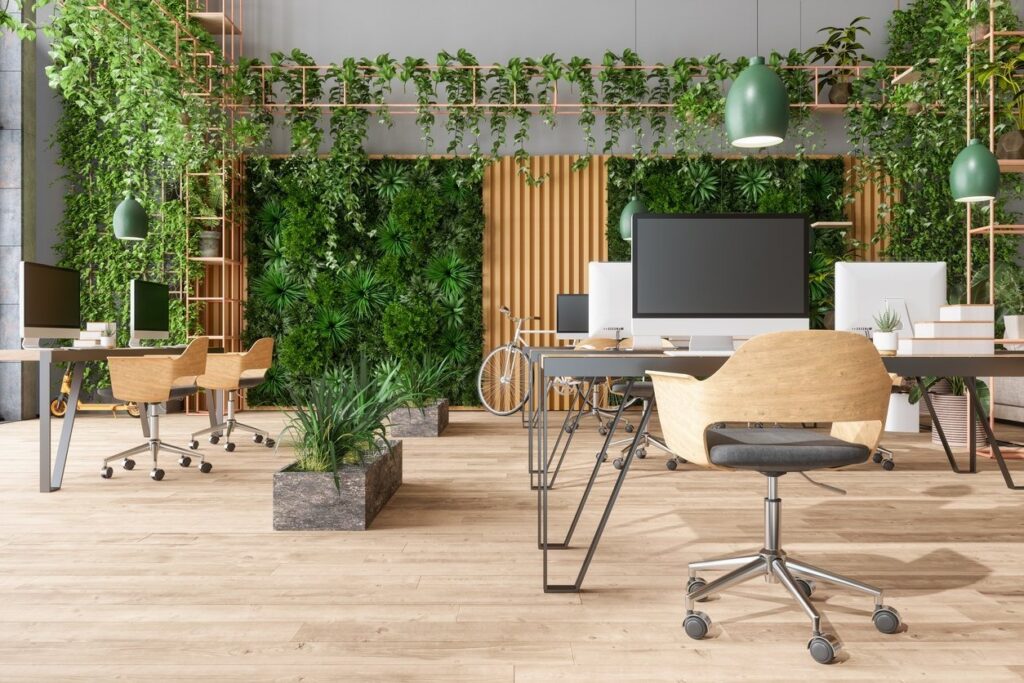
A living green wall does not have to cover an entire room to make an impact. Some commercial spaces only need a smaller feature wall or framed plant panel.
Smaller green walls can work well in:
• Small offices
• Waiting rooms
• Hallways
• Reception areas
• Breakrooms
• Retail corners
• Apartment leasing offices
Larger green walls may be better for:
• Main lobbies
• Hotels
• Restaurants
• Corporate offices
• Event spaces
• Clubhouses
• Large retail spaces
The size should feel balanced with the room. A wall that is too small may not make enough impact. A wall that is too large may overwhelm the space or require more maintenance than expected.
A professional design team can help choose the right scale.
Combine Green Walls with Other Indoor Plants
A living green wall can stand on its own, but it can also be part of a larger interior plantscaping plan.
For example, a lobby may include a green wall behind the reception desk, tall planters near seating areas, and smaller plants on tables or shelves. A restaurant may pair a green wall with planters near windows. An office may use greenery in conference rooms, common areas, and private offices.
Combining plant features can help create a more complete indoor landscape.
Interior plantscaping may include:
• Living green walls
• Large floor plants
• Tabletop plants
• Planter boxes
• Hanging plants
• Moss features
• Seasonal indoor plant updates
• Custom container design
This layered approach helps commercial spaces feel more natural and cohesive.
Living Green Walls for Different Commercial Spaces
A green wall can be adapted to many industries and property types.
In office buildings, it can make lobbies and conference areas feel more modern and welcoming.
In medical and dental offices, it can help waiting rooms feel calmer and more comfortable.
In retail stores, it can create an attractive backdrop and improve the shopping experience.
In restaurants, it can add atmosphere and make the dining area feel more unique.
In apartments and HOAs, it can make clubhouses, leasing offices, and shared spaces feel more polished.
In hotels and hospitality spaces, it can create a memorable design feature for guests.
The key is choosing a design that fits the space and the people who use it.
Why Choose OneSource Property Maintenance?
OneSource Property Maintenance provides interior plantscaping services for Utah businesses, commercial properties, offices, retail spaces, and homes. Their team helps with plant design, plant selection, installation, and ongoing plant maintenance.
For living green walls, this type of support is valuable. A green wall needs the right plants, the right placement, the right watering plan, and consistent care. OneSource can help commercial properties bring natural beauty indoors while keeping the plant display healthy and professional.
Because OneSource also provides broader property maintenance services, commercial clients can work with one team for multiple needs. This can make property care simpler and more coordinated.
Final Thoughts
A living green wall is more than a design trend. It is a smart way to bring natural beauty into a commercial space, create a stronger first impression, and make indoor areas feel more welcoming.
The best green walls are planned carefully. They fit the space, match the brand, use the right plants, include a proper watering plan, and receive regular maintenance.
If your commercial space needs a more polished, natural, and memorable look, a living green wall may be the right choice.
OneSource Property Maintenance can help with living green wall design, interior plantscaping, indoor plant installation, and ongoing plant maintenance in Utah. Call (801) 234-0624 to request a quote and bring more greenery into your commercial space.