

Sep
A healthy landscape depends on consistent care, proper plant selection, good soil, and the right amount of water. For commercial properties, HOAs, apartment communities, office parks, and residential landscapes, irrigation plays an important role in keeping lawns green, trees healthy, and planting beds attractive throughout the growing season.
However, traditional irrigation systems often operate on fixed schedules. They may run even after rainfall, during cooler weather, or when the soil already has enough moisture. This can lead to wasted water, runoff, higher utility costs, and unnecessary stress on plants.
Smart irrigation systems provide a more efficient approach. Instead of watering according to the same schedule every week, smart technology can adjust irrigation based on weather conditions, soil moisture, plant needs, and seasonal changes.
For Utah properties, where temperatures and water needs can change significantly throughout the year, smart irrigation can help improve landscape health while supporting better water efficiency.
What Is a Smart Irrigation System?
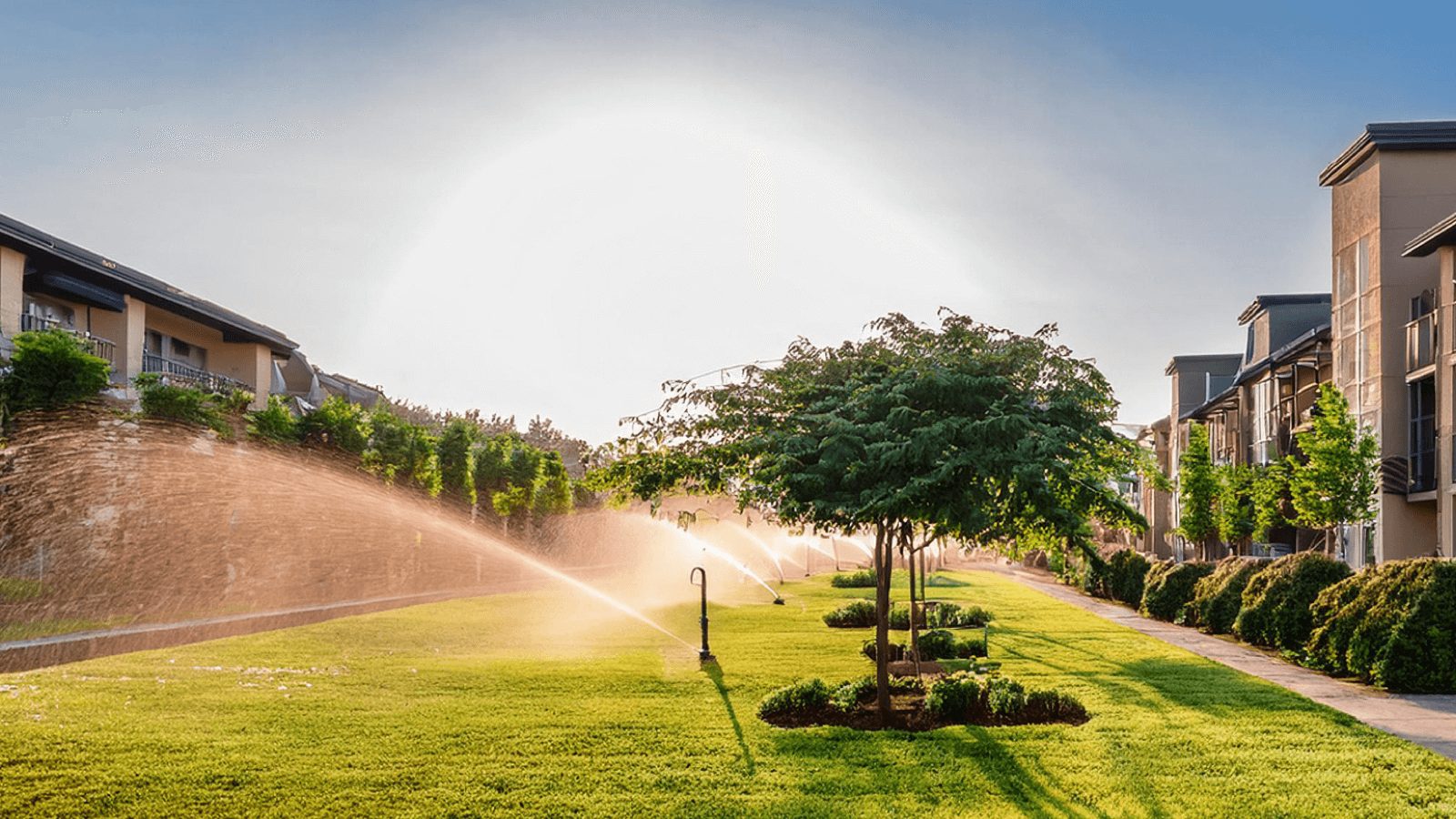
A smart irrigation system uses technology to manage watering more efficiently than a traditional timer-based system.
Depending on the system, smart irrigation technology may use:
- Weather information
- Rain sensors
- Soil moisture sensors
- Temperature data
- Flow monitoring
- Automated scheduling
- Remote irrigation controls
- Zone-specific programming
Traditional irrigation controllers may water a landscape on the same days for the same amount of time regardless of weather conditions.
Smart irrigation systems can make adjustments based on changing conditions.
For example, if significant rainfall occurs, the system may reduce or skip scheduled watering. During hotter weather, irrigation schedules can be adjusted to better match plant needs.
This responsive approach helps landscapes receive the water they need without unnecessary waste.
Smart Irrigation Helps Prevent Overwatering
More water does not always mean a healthier landscape.
Overwatering can create several problems, including:
- Root damage
- Fungal growth
- Standing water
- Soil compaction
- Nutrient loss
- Excessive weed growth
- Landscape runoff
- Weak plant development
When soil remains too wet for extended periods, plant roots may not receive enough oxygen. This can weaken turf, shrubs, flowers, and other landscape plants.
Smart irrigation systems can help reduce overwatering by adjusting watering schedules according to actual landscape conditions.
Rain sensors can prevent irrigation after storms, while soil moisture sensors can help determine whether the soil already contains enough water.
By reducing unnecessary watering, smart irrigation can support healthier landscapes while helping property owners conserve water.
Better Watering Supports Stronger Root Growth
Strong roots are essential for healthy plants.
When lawns and plants receive frequent shallow watering, roots may remain close to the soil surface. These shallow root systems can make plants more vulnerable during periods of heat or drought.
Proper irrigation encourages roots to grow deeper into the soil.
Deeper roots can help plants become more resilient during:
- Hot summer weather
- Dry conditions
- High winds
- Seasonal temperature changes
- Periods between watering
Smart irrigation makes it easier to provide water according to plant needs rather than simply running every sprinkler zone for the same amount of time.
Proper watering supports healthier root systems and helps landscapes remain stronger throughout the growing season.
Different Landscape Areas Need Different Watering
Most properties contain several types of plants, and each may require different amounts of water.
A typical commercial landscape may include:
- Turfgrass
- Trees
- Shrubs
- Flower beds
- Ground cover
- Planters
- Native plants
These areas should not always be watered the same way.
For example, a sunny lawn may dry faster than a shaded planting bed. Newly planted trees may require more frequent attention than established trees. Flower beds may need different irrigation than shrubs.
Smart irrigation systems can divide the property into different watering zones.
Each zone can then be programmed according to plant type, sun exposure, soil conditions, and water requirements.
This helps prevent some areas from receiving too much water while others receive too little.
Smart Irrigation Can Improve Water Efficiency
Water that runs onto sidewalks, parking lots, and streets does not benefit the landscape.
Common causes of irrigation waste include:
- Broken sprinkler heads
- Leaking irrigation lines
- Overspray
- Watering during rainfall
- Poorly adjusted sprinkler heads
- Watering for too long
- Irrigation during windy conditions
- Runoff from compacted soil
Smart irrigation can help reduce unnecessary water use.
Weather-based controllers can adjust watering schedules based on current conditions. Flow monitoring systems may help detect unusual water use that could indicate a leak or damaged sprinkler.
Some systems can also use cycle-and-soak watering.
Instead of running sprinklers continuously, irrigation can be divided into shorter watering periods. This allows water more time to soak into the soil before the next cycle begins.
Improving irrigation water efficiency helps ensure that more of the water used actually reaches plant roots.

Weather-Based Irrigation Responds to Seasonal Changes
Utah weather can change dramatically throughout the year.
Spring temperatures may be mild, while summer conditions can become much hotter and drier. A watering schedule that works in April may not be appropriate in July.
Traditional irrigation controllers often require manual adjustments throughout the season.
Smart irrigation technology can help automate many of these changes.
Weather-based controllers can consider factors such as:
- Temperature
- Rainfall
- Humidity
- Wind
- Evaporation
- Seasonal changes
During cooler periods, the system may reduce watering.
During hot and dry conditions, the system may adjust watering based on landscape needs.
After rainfall, unnecessary irrigation can be reduced or delayed.
This helps create a more flexible irrigation management strategy.
Smart Irrigation Supports Healthier Lawns
Lawns often require a significant portion of a property’s irrigation water.
Maintaining healthy turf requires balance.
Too little water can lead to:
- Brown areas
- Dry soil
- Thin grass
- Weak root development
Too much water can contribute to:
- Fungal problems
- Shallow roots
- Standing water
- Excessive weeds
- Runoff
Smart irrigation helps provide more consistent watering based on weather and landscape conditions.
However, irrigation technology works best when the physical sprinkler system is also maintained properly.
Broken sprinkler heads, clogged nozzles, poor coverage, and leaking lines can still create problems even when a smart controller is installed.
Regular irrigation maintenance remains important for healthy turf.
Trees and Shrubs Benefit From Proper Irrigation
Trees and shrubs are long-term investments in a landscape.
They provide shade, improve curb appeal, create visual interest, and contribute to the overall appearance of a property.
However, trees and shrubs often have different watering needs than lawns.
Trees generally benefit from deeper watering that reaches the root zone, while some shrubs may require slower or more targeted irrigation.
If trees, shrubs, and turf are connected to the same irrigation schedule, some plants may receive too much water while others receive too little.
Smart irrigation systems can help separate landscape zones and provide more appropriate watering schedules.
This is especially important for newly planted trees and shrubs, which often require more careful watering while their roots become established.
Flow Monitoring Can Help Detect Irrigation Problems
Leaks can waste significant amounts of water if they are not detected quickly.
A broken sprinkler head or damaged irrigation line may continue running overnight without anyone noticing.
Modern smart irrigation systems may include flow monitoring technology.
Unexpected changes in water flow may indicate problems such as:
- Broken sprinkler heads
- Damaged pipes
- Stuck valves
- Irrigation leaks
- Unusual water use
Identifying problems early can help reduce water waste and prevent landscape damage.
Flow monitoring can be particularly useful for large commercial properties where irrigation systems may cover extensive areas.
Remote Irrigation Management Makes Adjustments Easier
Many smart irrigation systems can be monitored and controlled remotely.
Landscape maintenance teams may be able to adjust irrigation schedules, monitor watering activity, or receive system alerts from a phone, tablet, or computer.
Remote irrigation management can be especially helpful for:
- Large commercial properties
- HOAs
- Apartment communities
- Office parks
- Properties with multiple irrigation zones
If weather conditions suddenly change, adjustments can often be made without physically visiting the irrigation controller.
Remote management does not replace regular inspections, but it can make irrigation maintenance more responsive and efficient.
Smart Irrigation Still Requires Regular Maintenance
Installing smart irrigation technology does not eliminate the need for maintenance.
Sprinkler heads can become damaged. Nozzles can clog. Irrigation lines can leak. Plants can grow and change coverage requirements.
Regular irrigation maintenance may include:
- Inspecting sprinkler heads
- Adjusting spray patterns
- Repairing leaks
- Cleaning clogged nozzles
- Checking valves
- Reviewing controller settings
- Checking irrigation zones
- Monitoring soil moisture
- Adjusting seasonal watering schedules
A smart irrigation system works best when the controller and physical irrigation components are maintained together.
Routine inspections can help identify problems before they lead to wasted water or unhealthy landscaping.
Smart Irrigation Can Help Reduce Runoff
Water runoff is a common irrigation problem.
When irrigation systems apply water faster than the soil can absorb it, water may flow onto:
- Sidewalks
- Parking lots
- Streets
- Building entrances
- Other landscape areas
Runoff wastes water and may also create slippery surfaces.
Smart irrigation systems can help reduce runoff by adjusting watering times and using shorter watering cycles.
Properties with sloped areas, compacted soil, or heavy clay may especially benefit from cycle-and-soak watering.
Allowing water more time to absorb can improve landscape water efficiency and support healthier soil.
Combine Smart Irrigation With Water-Wise Landscaping
Smart irrigation works even better when combined with thoughtful landscape design.
A water-efficient landscape may include:
- Drought-tolerant plants
- Native or climate-appropriate plants
- Mulched planting beds
- Efficient drip irrigation
- Proper soil preparation
- Appropriate turf areas
- Plants grouped according to water needs
Grouping plants with similar water requirements helps irrigation zones operate more efficiently.
For example, drought-tolerant shrubs should not necessarily share the same irrigation schedule as high-water turf.
Combining smart irrigation with water-wise landscaping can help property owners improve both landscape appearance and water efficiency.
When Should You Consider Upgrading Your Irrigation System?
An irrigation upgrade may be worth considering if you notice:
- High water use
- Frequent sprinkler runoff
- Dry areas in the landscape
- Constantly wet areas
- Broken or outdated irrigation controls
- Frequent manual schedule changes
- Increasing water bills
- Recurring irrigation leaks
- Uneven plant health
Older irrigation systems may still function, but they may not provide the same efficiency or control as modern smart technology.
A professional irrigation evaluation can help determine whether your property needs adjustments, repairs, new controllers, additional sensors, or a more complete irrigation upgrade.
Benefits of Professional Irrigation Management
A smart irrigation system is most effective when it is properly designed, programmed, and maintained.
Professional irrigation management can help with:
- System inspections
- Smart controller setup
- Seasonal scheduling
- Leak detection
- Sprinkler repairs
- Zone adjustments
- Water-use reviews
- Plant-specific irrigation
- Ongoing maintenance
Professional care helps ensure irrigation technology supports the entire landscape rather than simply reducing watering time.

Why Choose OneSource Property Maintenance?
A healthy landscape depends on consistent care and efficient water management. OneSource Property Maintenance provides irrigation and landscape maintenance services for commercial properties, HOAs, apartment communities, office parks, retail centers, and other properties throughout Utah.
From smart irrigation systems and seasonal irrigation adjustments to sprinkler repairs and complete commercial landscape maintenance, the team works proactively to help landscapes stay healthy while reducing unnecessary water use.
Every property has different irrigation needs. Soil type, plant material, sun exposure, irrigation zones, and property layout all influence how much water a landscape requires.
OneSource Property Maintenance can help evaluate existing systems, identify irrigation problems, improve watering efficiency, and develop a maintenance approach tailored to the property.
Final Thoughts
Smart irrigation systems provide a more efficient way to maintain healthy landscapes.
Instead of watering according to a fixed schedule, smart irrigation can respond to weather conditions, soil moisture, plant needs, and seasonal changes. This can help prevent overwatering, reduce runoff, encourage stronger roots, identify leaks, and improve overall landscape water efficiency.
However, technology works best when combined with regular inspections and professional maintenance. Broken sprinkler heads, damaged lines, clogged nozzles, and poor zone coverage can still waste water even with an advanced controller.
Whether you manage a commercial property, HOA, apartment community, office park, or residential landscape, investing in smart irrigation, regular irrigation maintenance, and professional landscape care can help protect your property while making better use of available water.
Partnering with OneSource Property Maintenance can help keep your irrigation system working efficiently and your landscape healthy, attractive, and properly watered throughout every season.
Leave A Comment