

Jul
A beautiful yard should not have to waste water, require constant repairs, or create more work than it is worth. For many Utah homeowners, the goal is simple: keep the landscape clean, healthy, and attractive while using smarter methods that fit the local climate.
That is where eco-friendly landscaping comes in.
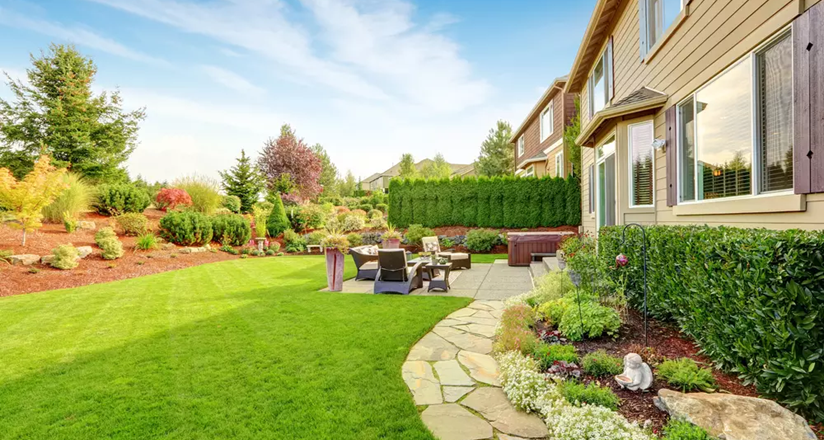
Eco-friendly landscaping is about caring for your outdoor space in a way that supports plant health, saves water, reduces waste, and works with Utah’s natural conditions instead of fighting against them. It does not mean your yard has to look dry, plain, or unfinished. A sustainable landscape can still include green lawn areas, trees, shrubs, flowers, mulch, walkways, and outdoor living spaces. The difference is that each part is planned and maintained with long-term efficiency in mind.
In Utah, this matters. Summers can be hot and dry, water use can be a concern, and landscapes often need to handle changing weather from season to season. A smart plan can help your yard look better, use fewer resources, and become easier to maintain.
OneSource Property Maintenance provides landscaping services throughout the Salt Lake City Metro area, including routine lawn care, seasonal planting, tree and shrub care, integrated pest management, irrigation system maintenance, water management, and eco-friendly landscaping solutions. For homeowners, these same ideas can help create a yard that is both attractive and practical.
1. Start with the Right Landscape Plan
Sustainable landscaping starts with planning. Before adding plants, sod, mulch, irrigation, or hardscape features, look at how your yard actually works.
Ask yourself:
• Which areas get full sun?
• Which areas stay shaded?
• Where does water collect?
• Where does the lawn dry out first?
• Are there steep slopes?
• Are there bare spots?
• Are sprinklers watering pavement?
• Are plants struggling in certain areas?
A good landscape plan should match the property’s conditions. A sunny, dry area may need different plants than a shaded side yard. A slope may need groundcover, mulch, or erosion control. A high-traffic area may need a stronger lawn type, pathway, or hardscape feature.
When the plan fits the property, the yard becomes easier to maintain. Plants grow better, water goes where it should, and fewer resources are wasted.
2. Choose Plants That Fit Utah’s Climate
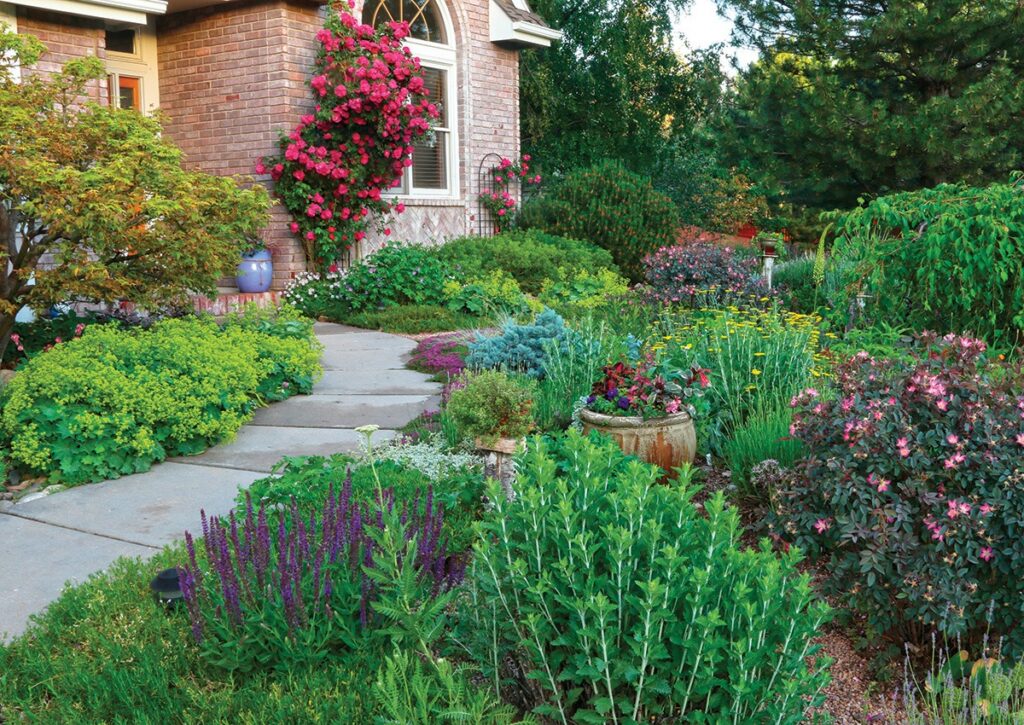
One of the best ways to create a sustainable yard is to choose plants that can handle Utah’s weather. Some plants need constant watering and attention to survive. Others are naturally better suited for dry summers, cold winters, and changing temperatures.
Water-wise plants can help reduce irrigation needs while still adding color, texture, and curb appeal.
Good plant choices may include:
• Drought-tolerant shrubs
• Native or regionally adapted plants
• Ornamental grasses
• Hardy perennials
• Shade trees
• Low-water groundcovers
• Seasonal flowers placed in key areas
This does not mean every plant has to be native, but it does mean every plant should have a purpose and a realistic chance to thrive.
OneSource Property Maintenance includes seasonal planting and tree and shrub care among its landscape maintenance services. Choosing the right plants and maintaining them properly can help a yard stay healthier with less waste.
3. Use Water More Wisely
Water management is one of the most important parts of eco-friendly landscaping in Utah. Many landscape problems come from poor watering, not from the plants themselves.
Too much water can lead to runoff, shallow roots, fungus, and wasted money. Too little water can stress grass, trees, and shrubs. Uneven watering can leave one area soggy while another turns brown.
A better watering plan starts with an irrigation check.
Look for:
• Broken sprinkler heads
• Leaking valves
• Sprinklers spraying sidewalks
• Dry patches
• Oversaturated areas
• Poor spray patterns
• Timer settings that no longer match the season
• Water running into the street
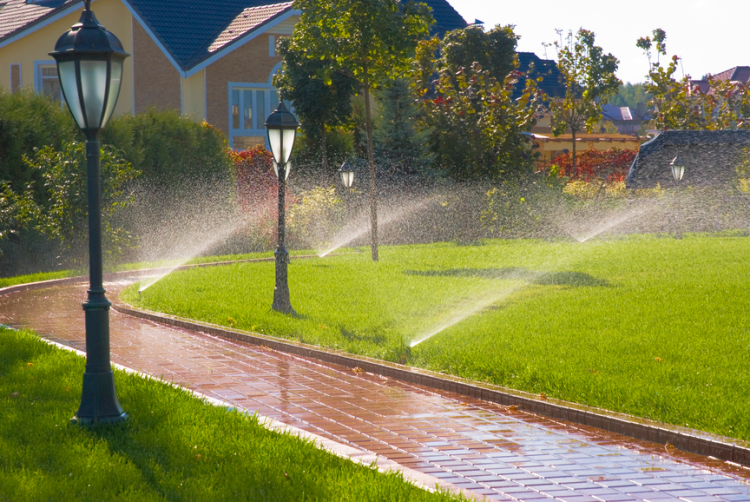
Irrigation system maintenance helps keep water use under control. Adjusting timers, repairing leaks, improving coverage, and changing watering schedules by season can make a big difference.
A sustainable yard does not always need less care. It needs better care at the right time.
4. Reduce Lawn Where It Does Not Make Sense
Lawns can be useful and attractive. They provide space for kids, pets, gatherings, and curb appeal. But not every part of a yard needs to be grass.
In some areas, the lawn is hard to maintain. Narrow strips, steep slopes, shady corners, and areas with poor irrigation may require too much water and work for too little benefit.
A more sustainable approach is to keep the lawn where it is useful and replace difficult areas with lower-maintenance options.
Alternatives may include:
• Mulch beds
• Native plants
• Rock accents
• Pathways
• Drought-tolerant shrubs
• Groundcovers
• Patio spaces
• Tree and shrub groupings
This approach can reduce water use and make the yard easier to manage without removing all green space.
For many Utah homeowners, the best landscape is a balanced one: some lawn, some plant beds, some shade, and some low-water areas.
5. Add Mulch to Protect Soil
Mulch is simple, but it can do a lot for a landscape. It helps hold soil moisture, reduce weeds, protect plant roots, and make beds look cleaner.
Mulch works especially well around trees, shrubs, and planting beds. It can reduce how quickly the soil dries out and help plants handle hot weather.
Good mulch practices include:
• Keeping mulch a few inches away from tree trunks
• Spreading mulch evenly
• Refreshing mulch when it breaks down
• Using mulch in flower beds and shrub areas
• Avoiding piles that are too thick
Too much mulch can create problems, but the right amount can improve both appearance and plant health.
Mulch also helps reduce the need for frequent weeding, which makes the yard easier to maintain through the season.
6. Improve Soil Health
Healthy soil supports healthy plants. If the soil is compacted, low in nutrients, or drains poorly, plants may struggle even with good watering.
Soil problems may show up as:
• Thin grass
• Yellowing plants
• Standing water
• Dry, hard ground
• Weak root growth
• Repeated dead spots
• Plants that fail to grow
Sustainable landscaping looks below the surface. Soil care may include aeration, compost, proper drainage, organic matter, and avoiding unnecessary compaction.
For lawns, aeration can help water, air, and nutrients reach the roots. For plant beds, adding organic matter may help improve structure and moisture retention.
Before adding more fertilizer or replacing plants, it is worth asking whether the soil is part of the problem.
7. Use Integrated Pest Management
Pests can damage lawns, shrubs, trees, and flowers. But eco-friendly landscaping does not mean treating every bug or weed the same way.
Integrated pest management is a smarter approach. It focuses on identifying the problem, monitoring it, and using targeted solutions when needed.
This may include:
• Choosing healthier plants
• Removing diseased material
• Improving watering habits
• Encouraging stronger root systems
• Watching for early signs of pests
• Using targeted treatments only when needed
The goal is to reduce unnecessary treatments while still protecting the landscape.
OneSource Property Maintenance lists integrated pest management as part of its landscape maintenance services. This approach is useful because it helps balance plant health, pest control, and responsible property care.
8. Plant Trees for Shade and Long-Term Value
Trees are one of the most valuable parts of a sustainable landscape. They provide shade, help cool outdoor areas, improve curb appeal, and add structure to the yard.
In Utah, shade can make a big difference during hot months. Trees can help protect lawn and planting areas from intense sun, reduce heat around patios and walkways, and make outdoor spaces more comfortable.
However, trees need to be selected and placed carefully. A tree that grows too large for its space can create future problems. A tree planted too close to the home, driveway, sidewalk, or utility area may require heavy pruning later.
Good tree planning should consider:
• Mature height and width
• Root spread
• Shade patterns
• Distance from buildings
• Distance from sidewalks and driveways
• Water needs
• Soil conditions
• Long-term maintenance
OneSource Property Maintenance provides tree and shrub care, which can help trees stay healthy as they grow. Proper pruning, watering, and monitoring are important parts of long-term sustainable landscaping.
9. Choose Seasonal Color Carefully
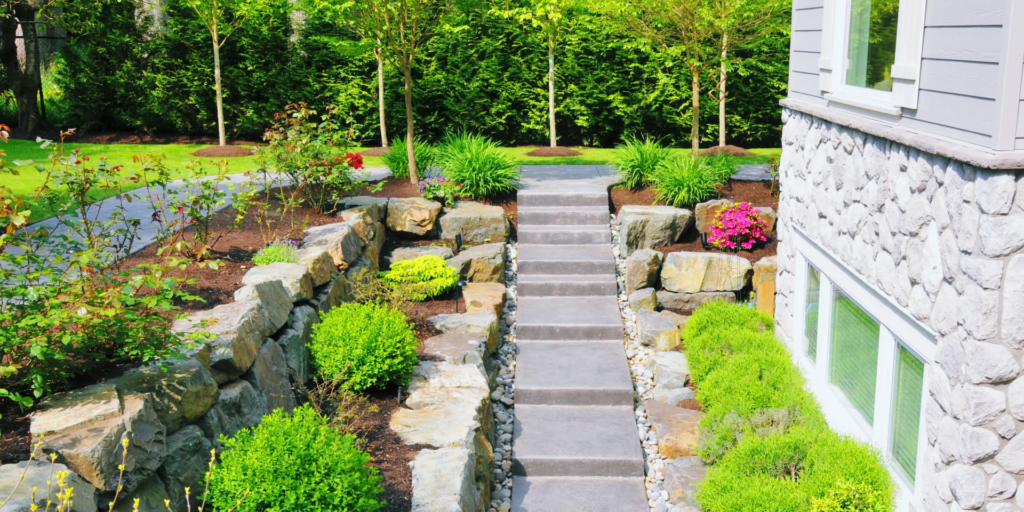
Seasonal flowers can make a yard feel bright and welcoming. They work well near entrances, patios, walkways, and front beds. But seasonal planting should be planned carefully so it does not require too much water or constant replacement.
A sustainable approach to seasonal color may include:
• Placing flowers in high-impact areas
• Choosing plants suited for the season
• Using mulch to hold moisture
• Grouping plants with similar water needs
• Replacing struggling plants at the right time
• Avoiding overplanting
A few well-designed planting areas can add more value than spreading flowers across the whole yard without a plan.
Seasonal planting is most effective when it supports the overall landscape instead of creating extra maintenance problems.
10. Reduce Waste in Yard Maintenance
Eco-friendly landscaping also means reducing waste from regular maintenance.
Simple ways to reduce waste include:
• Composting suitable yard debris
• Using mulch in planting beds
• Keeping plants healthy so they last longer
• Pruning at the right time
• Fixing irrigation leaks quickly
• Choosing long-lasting plants
• Avoiding unnecessary replacements
• Planning before buying materials
A well-maintained yard usually creates less waste over time because plants are healthier, water is managed better, and emergency fixes are less common.
11. Make Maintenance Consistent
Sustainable landscaping works best when care is consistent. A yard that is ignored for months may need more water, more cleanup, more pest control, and more repairs later.
A simple maintenance routine may include:
• Regular mowing
• Seasonal irrigation checks
• Weed control
• Tree and shrub care
• Mulch refreshes
• Seasonal planting
• Pest monitoring
• Cleanup after storms
• Lawn and bed inspections
This does not mean spending every weekend working outside. It means having a plan and staying ahead of problems.
OneSource Property Maintenance provides landscape maintenance designed around the needs of properties in the Salt Lake City Metro area. The company’s services include lawn care, seasonal planting, tree and shrub care, irrigation maintenance, water management, integrated pest management, and eco-friendly landscaping solutions.
12. When to Get Help with Eco-Friendly Landscaping
Some homeowners know they want a more sustainable yard but are not sure where to begin. Others may have a lawn that uses too much water, plants that keep dying, or sprinklers that do not work correctly.
It may be time to call a professional if:
• Your water bill is too high
• Your lawn has dry or soggy spots
• Your sprinkler system needs repair
• Your plants are not thriving
• Weeds keep spreading
• You want lower-maintenance planting beds
• Trees or shrubs need care
• You want seasonal planting
• You want a better long-term landscape plan
A professional landscape team can help look at the full property instead of treating each issue separately. This can lead to better decisions and a more efficient yard.
Final Thoughts
Eco-friendly landscaping is not about giving up a beautiful yard. It is about creating a yard that looks good, uses water wisely, supports healthy plants, and fits Utah’s climate.
For homeowners, small changes can make a big difference. Choose the right plants. Fix irrigation problems. Use mulch. Improve soil. Reduce the lawn where it does not make sense. Care for trees and shrubs. Use seasonal color carefully. Keep maintenance consistent.
A sustainable landscape can be clean, colorful, practical, and easier to manage.
If you need help with eco-friendly landscaping, irrigation system maintenance, water management, seasonal planting, or tree and shrub care in the Salt Lake City Metro area, OneSource Property Maintenance can help. Call (801) 234-0624 to request a quote and create a landscape that works better for your home.